How to Play Chinese Mahjong: Rules, Setup, and Strategies
A game with a lot of history, Chinese Mahjong is a traditional tile game played with four players and 144 tiles. The goal is to build a 14-tile winning hand consisting of four sets and one pair created by drawing and discarding tiles during gameplay.
Unlike American Mah Jongg, which relies on a fixed card, traditional Chinese Mahjong uses a flexible ruleset where players form combinations such as pairs, chows (sequences of three consecutive tiles in the same suit), and pungs or kongs (sets of three or four identical tiles). This makes it a very dynamic type of Mahjong game to play. Although the game may seem complex at first, each round follows a clear rhythm:
- Build and break the wall.
- Draw tiles and discard strategically.
- Form sets of tiles toward a winning hand.
To make sure you’re off to a great start, this guide walks beginners through how to play Chinese Mahjong, including rules, setup, and essential strategy. Use this guide to strengthen your strategy and gameplay, and use it whenever you play Mahjong online.
Mahjong Objective
The goal of Chinese Mahjong is to complete a 14-tile winning hand made up of four sets (chows, pungs, or kongs) and one pair.
Mahjong Equipment
To play Chinese Mahjong, all you’ll need is a standard set of Mahjong tiles, which includes 144 tiles made up of three main groups: numbered Suit tiles, Honor tiles, and Bonus tiles. Because not all tiles can be used in the same way during gameplay, these sections show you what tiles belong to each group and how they can be used.
Note: Because Chinese Mahjong tiles are thicker, they stand on their own, so you don’t need racks.
Suited Tiles
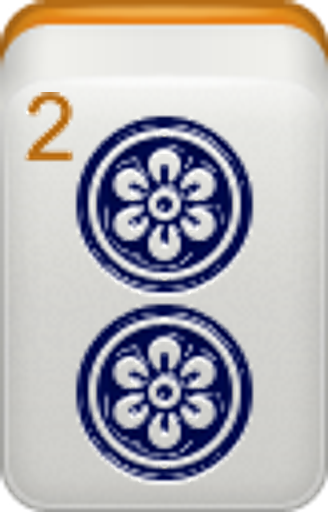
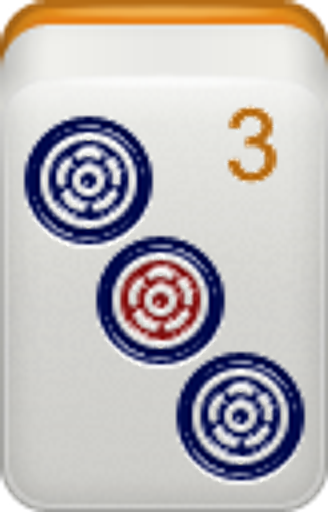
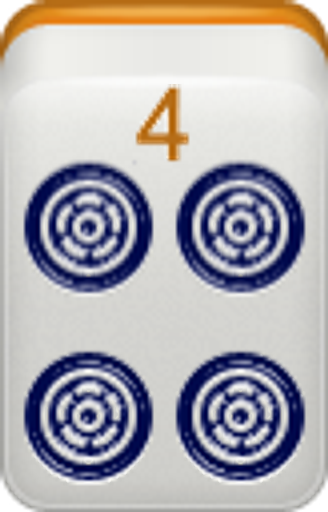
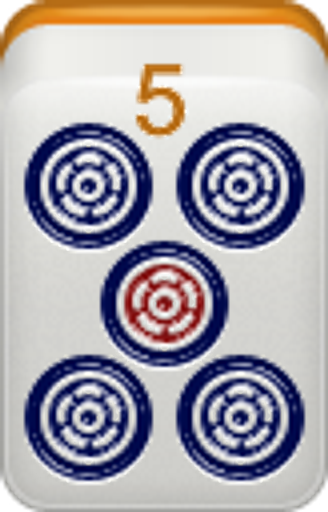
The only tiles that are numbered are suited tiles. Divided into three subgroups, these tiles can form any set in a winning hand, and they’re the only tiles you can use to complete a chow (a sequence of three consecutive numbers of the same suit).
|
Suited Tiles
Tiles are numbered 1 through 9, and each suit contains four identical tiles (36 tiles per suit
for 108 total). Use them to form pairs, chows, pungs, and kongs.
|
||
|---|---|---|
| Suit | Chinese Name | Tiles (1–9) |
| Dots/Circles | Tong |

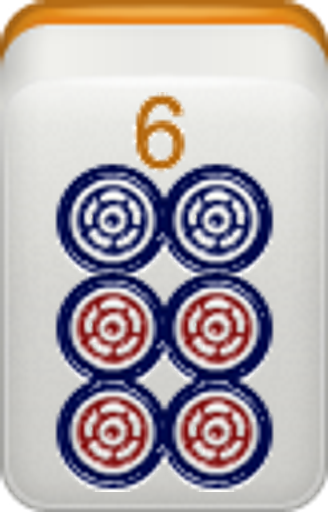
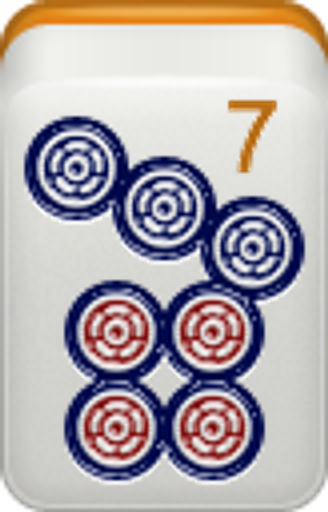
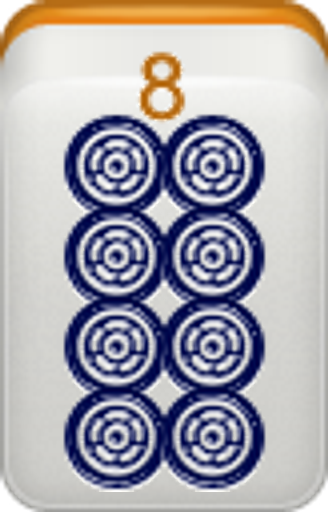
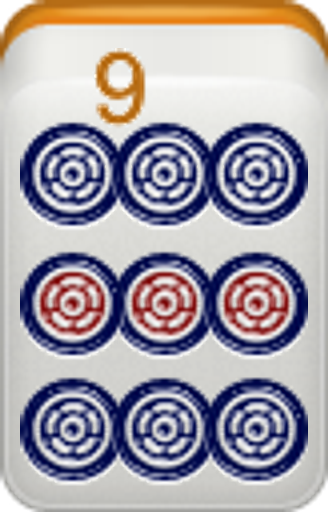
|
| Bamboos/Sticks | Suo |

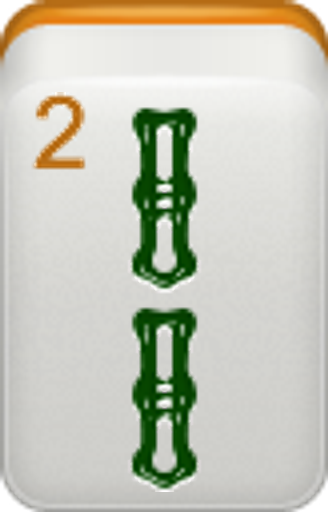
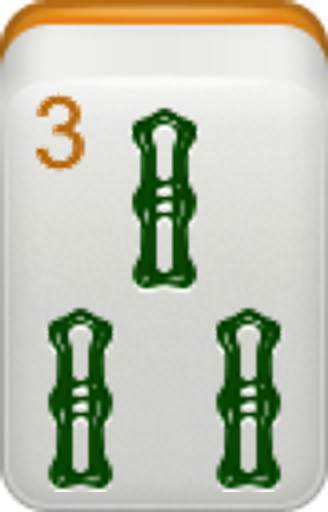
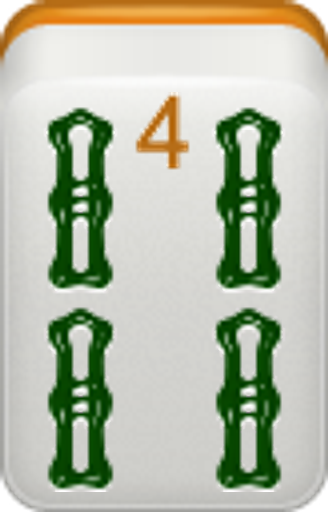
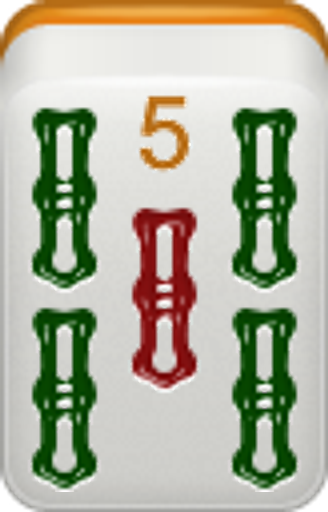
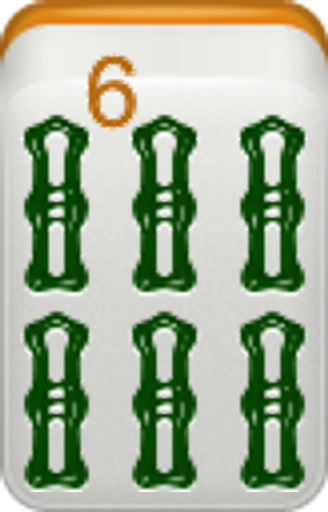
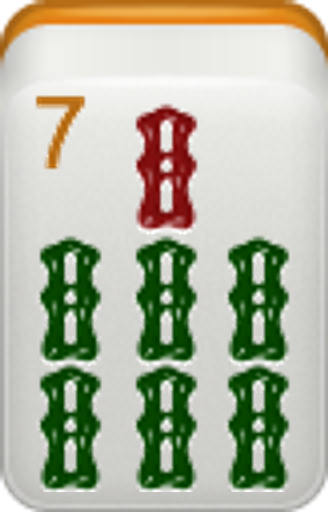
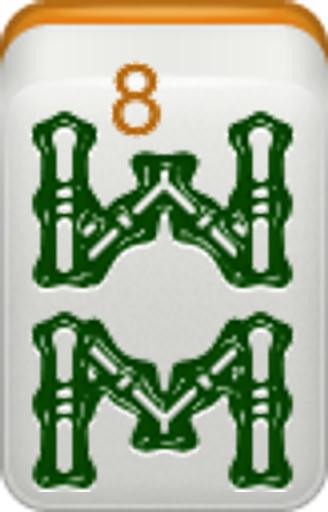
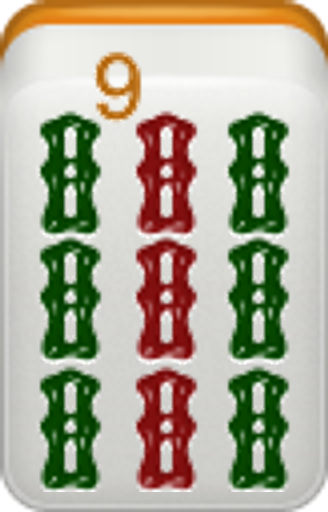
|
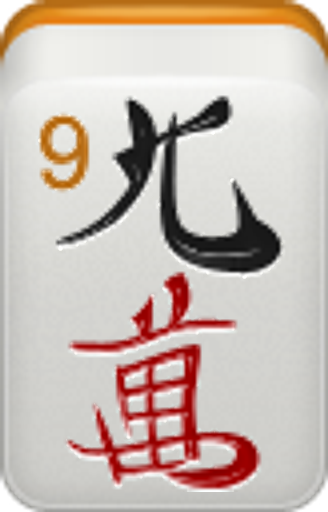
| Characters/Craks | Wan |
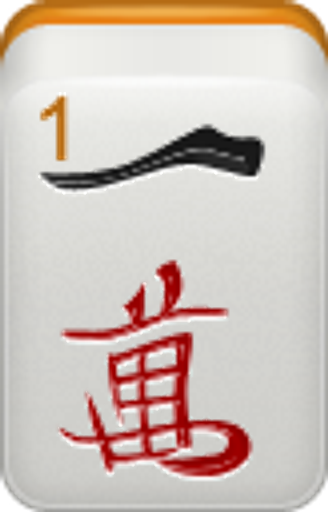
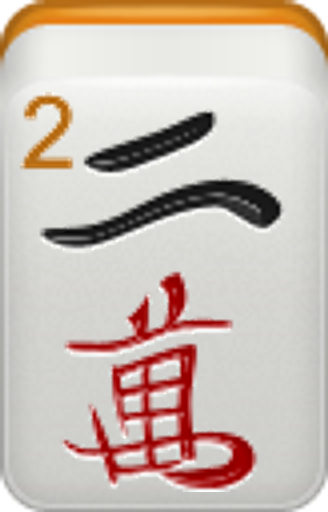
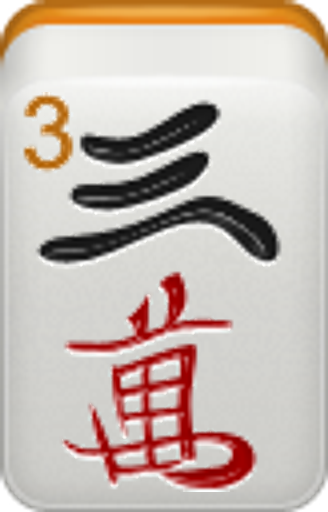
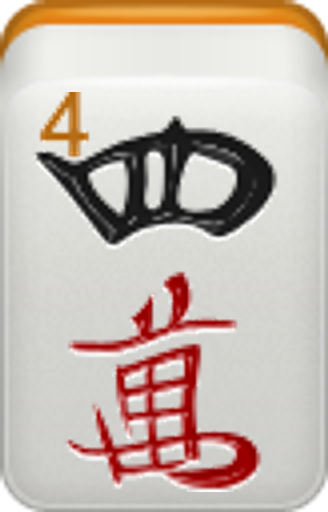
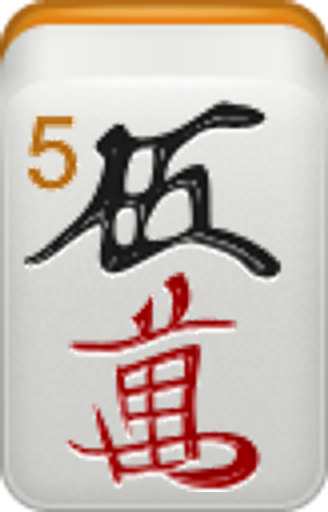
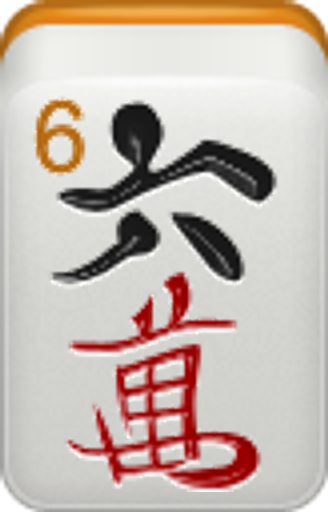
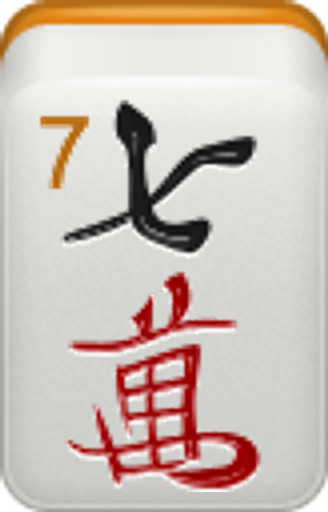
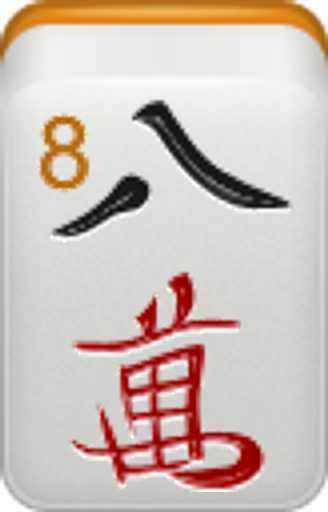
|
Honor Tiles
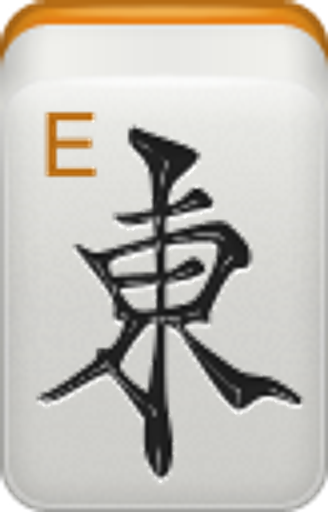
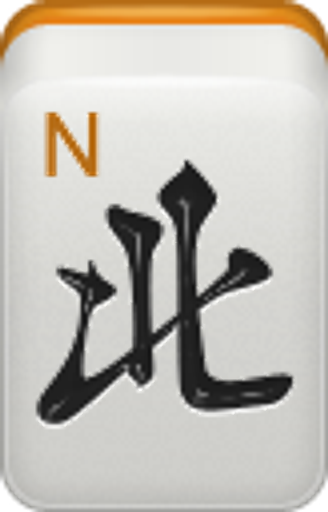
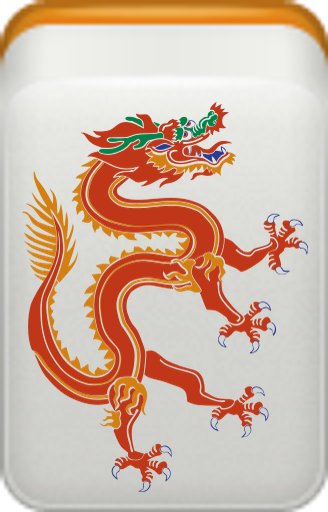
Divided into two groups, Honor tiles can’t form chows because they’re unnumbered, but they can form any other set in your Mahjong hand.
|
Honor Tiles
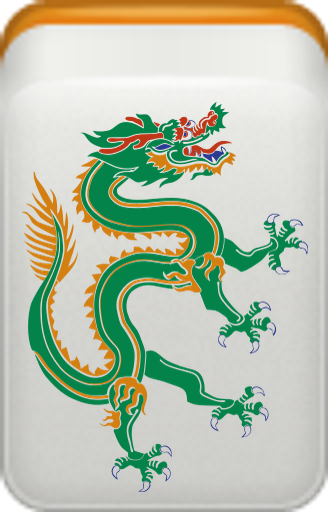
These tiles are not numbered and are divided into two categories—four of each Wind tile (16 total) and four of each Dragon tile (12 total). Use them to form pairs, pungs, and kongs, but not chows.
|
|||||||||||||||||||||||||||||
|---|---|---|---|---|---|---|---|---|---|---|---|---|---|---|---|---|---|---|---|---|---|---|---|---|---|---|---|---|---|
|
|
||||||||||||||||||||||||||||



Bonus Tiles
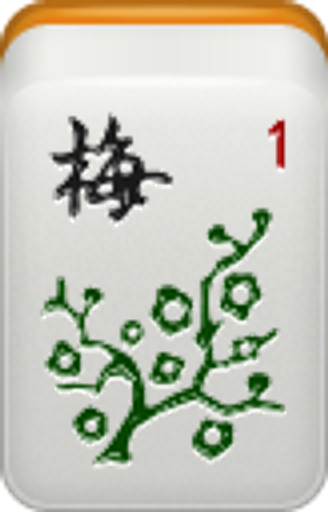
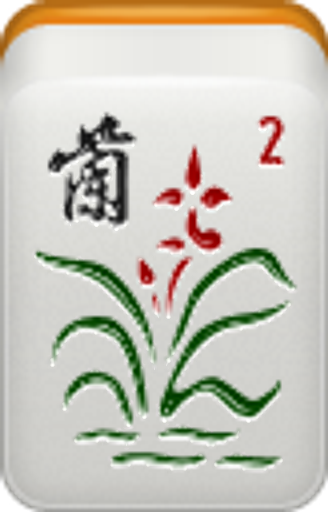
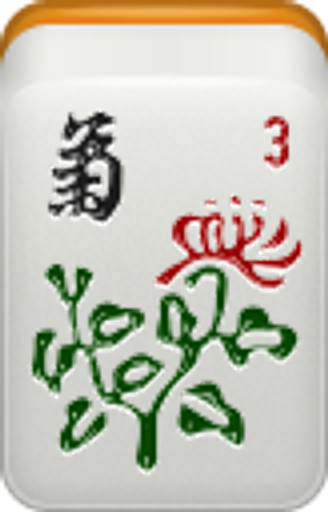
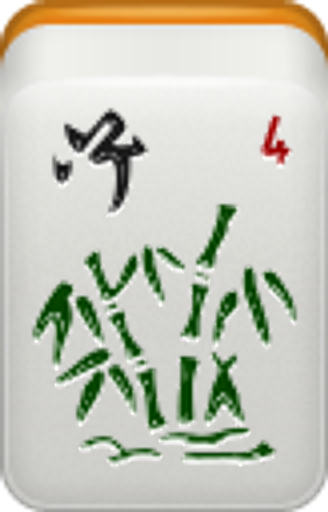
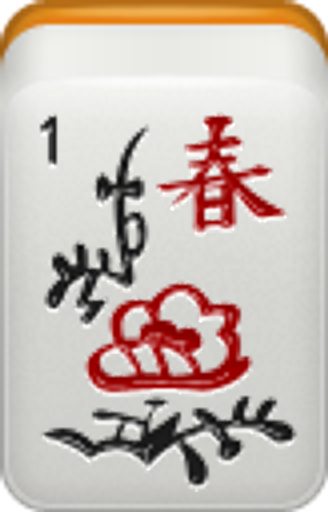
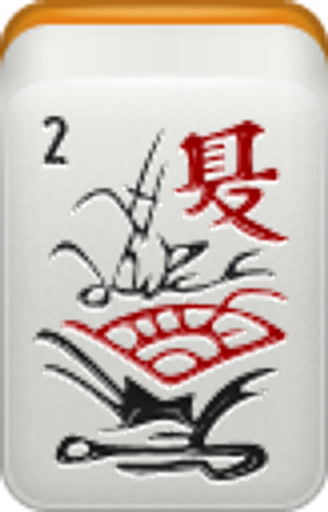
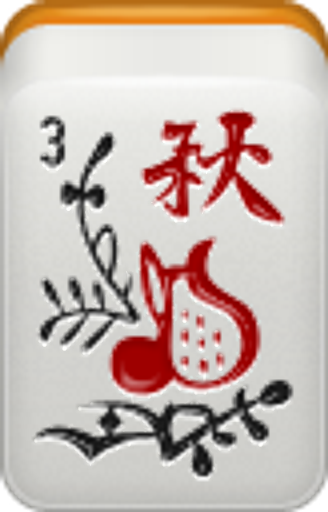
The eight Bonus tiles (only four Flower and four Season tiles) are not used to form sets. When drawn, they are set aside face up as a bonus and replaced with a tile from the dead wall.
|
Bonus Tiles
Four Flower tiles and four Season tiles make up the eight bonus tiles. They aren’t used to form sets but are set aside as a bonus, allowing you to draw a replacement tile.
|
|||||||||||||||||||||||||
|---|---|---|---|---|---|---|---|---|---|---|---|---|---|---|---|---|---|---|---|---|---|---|---|---|---|
|
|
||||||||||||||||||||||||
Dealing the Mahjong Tiles
Before gameplay begins, players set up the Mahjong table by building the wall and dealing the tiles. This process determines the dealer, establishes the starting point of play, and creates the draw pile for the round.
To set up your Mahjong game, follow these steps:
- Shuffle the tiles. Place all 144 tiles facedown in the middle of the gameplay area. All players move them around in a circular motion like washing, which is why this is sometimes referred to as “washing the tiles.”
- Roll dice to determine the first dealer. All players roll dice. The highest roll becomes East, also known as the East wind or seat wind. The dealer position will rotate counter-clockwise in future rounds, but East always starts the game.
- Build the wall. Each player stacks tiles facedown into a wall 2 tiles high and 18 tiles long. They push their walls together to form a square. Players often curtsy their walls, pushing them in to the left at an angle, to make reaching tiles easier for everyone.
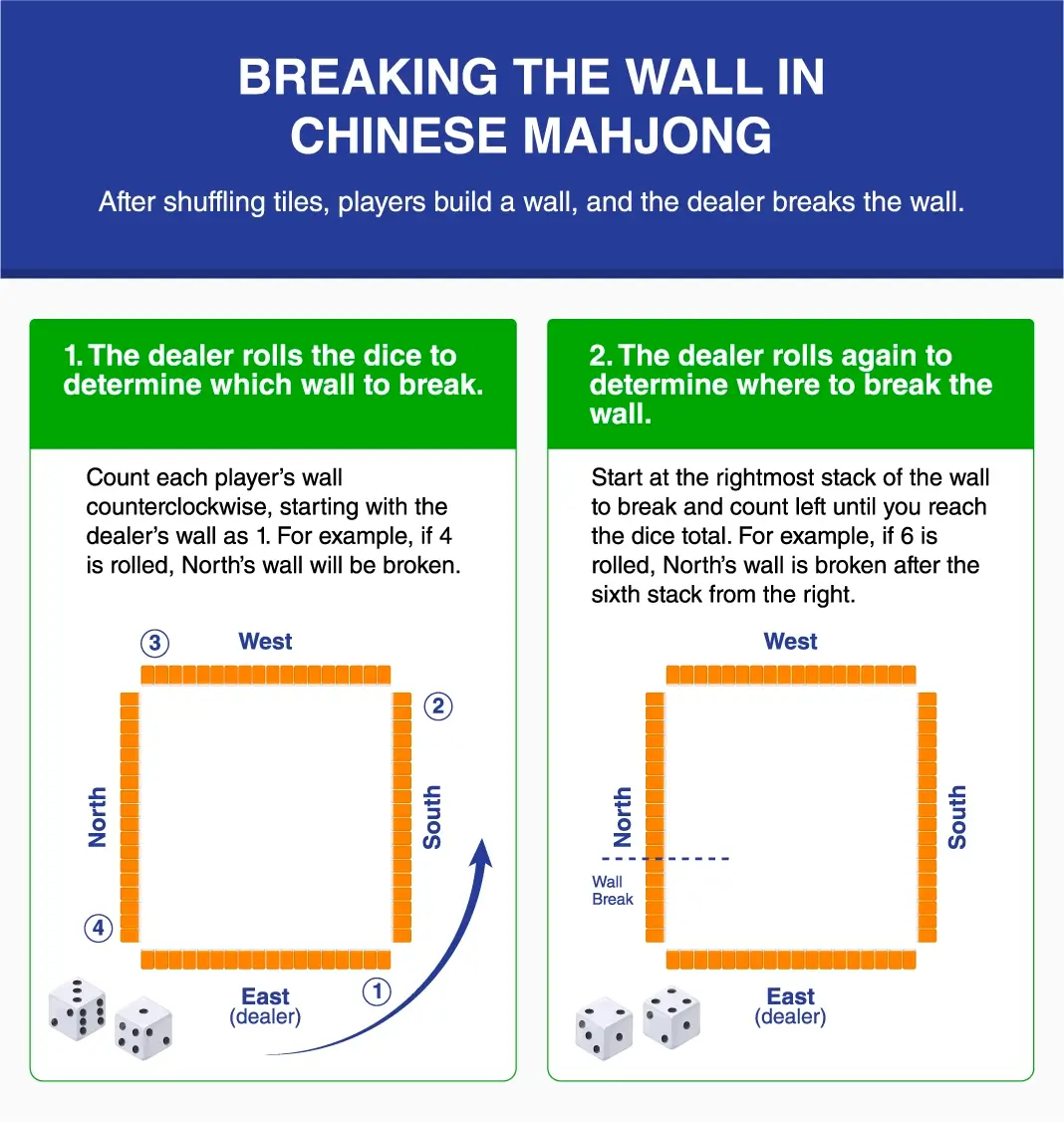
- Break the wall. The dealer rolls the dice to determine which wall to break and where to break it.
- Determining which wall to break: After the dice are rolled, the dealer starts with their own wall as 1 and counts counterclockwise around the table, stopping to break the wall at the end of the count. For example, if the dealer rolls 7, the dealer’s wall is 1 and 7 would be the player opposite the dealer (West), making West the wall to break.
- Determining where to break the wall and begin dealing: After the second roll, the dealer starts with the rightmost tile stack of the selected wall and moving inward, counts stacks according to the dice total to determine where the wall will break. For example, if the dice total is 6, the dealer begins at the right side of West’s wall and counts in six stacks, separating the wall after the sixth stack.
- Deal the tiles. After the wall is broken, the dealer (East) takes two stacks (4 tiles), and all other players take two stacks each until all players have 12 tiles. Then the dealer takes 2 additional tiles, for a total of 14 tiles, while all other players take just 1 more tile for 13 tiles total. Turns are taken in a counterclockwise direction, but tiles are removed clockwise from the wall. After dealing, players arrange their tiles so only they can see them. Because the dealer starts with one extra tile, they will make the first discard once play begins.
- Set aside the dead wall. After dealing, a small section of tiles is reserved as the dead wall, typically the last seven stacks (14 tiles) at the back end of the wall near the break. The rest of the wall becomes the live wall used for regular draws, and the dead wall provides replacement tiles when a player draws a Flower or Season tile or completes a kong.
Mahjong Rules
Follow these basic rules during play.
Starting Play and Taking a Turn
After the tiles are dealt, play begins with the dealer and continues counterclockwise.
- The dealer begins by discarding the first tile. Because the dealer has an extra tile, that player begins the round by discarding one tile. Play then continues counterclockwise around the table, with the next turn moving to the player on the dealer’s right. Players can also claim discarded tiles, which interrupts the turn-taking process, and that’s explained in detail in the next section.
- Players take turns drawing and discarding tiles. Each turn begins by drawing a tile from the live wall and ends by discarding one tile face up to the center of the table, where it becomes available for other players to claim.
Claiming and Melds
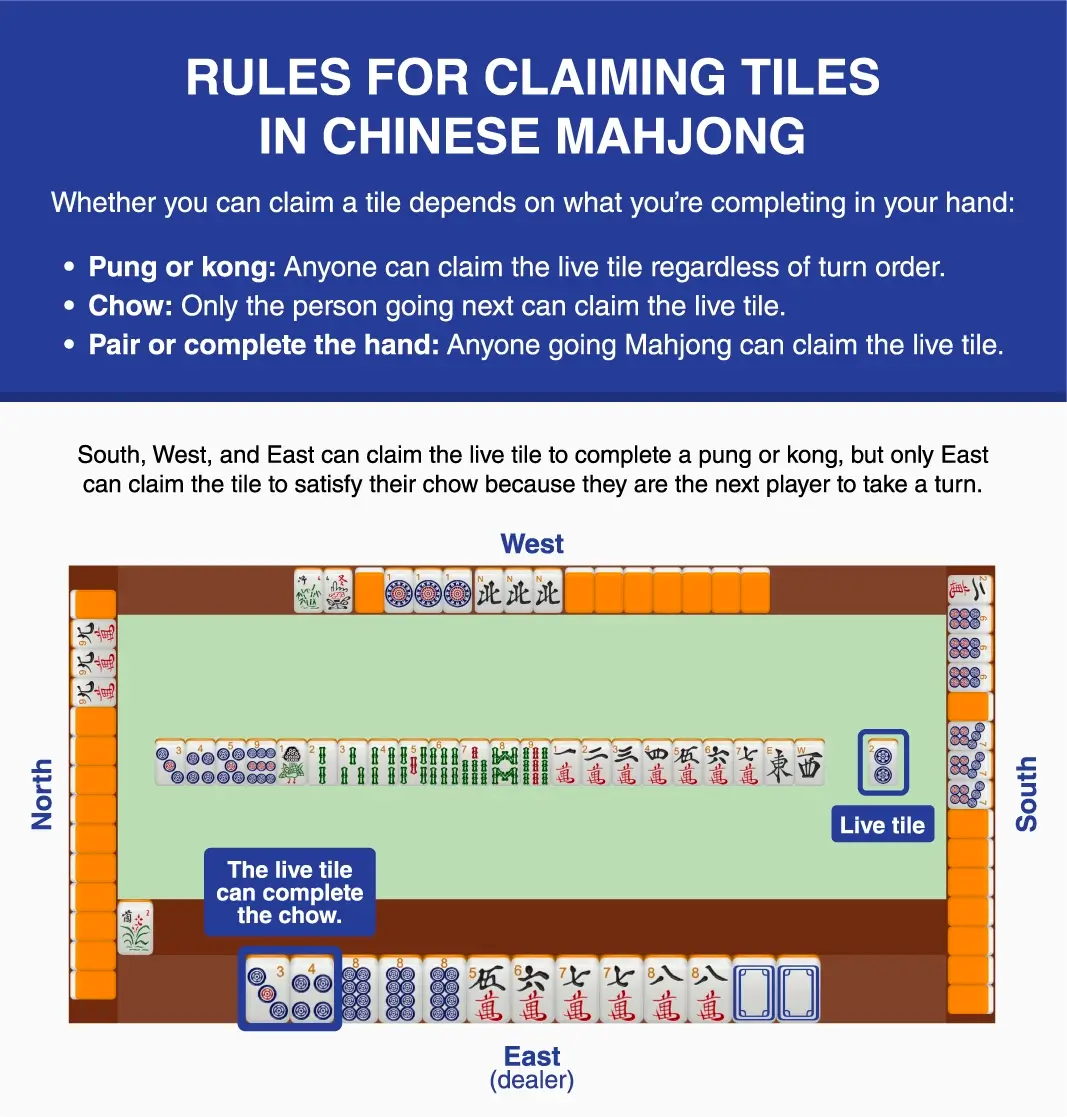
Even if it’s not their turn, players may claim a discarded tile, which can disrupt the flow of turns, but claiming a tile can only happen if it follows these rules.
- Any player may claim a tile for a pung or kong. To claim a tile for a pung (three identical tiles, such as 8 Bamboo, 8 Bamboo, 8 Bamboo) or kong (four identical tiles, such as 5 Dot, 5 Dot, 5 Dot, 5 Dot), any player at the table may call the discarded tile, regardless of turn order. For example, if West discards an 8 Bam and both North and South need it to complete a pung or kong, either player may call it, but priority rules determine who receives the tile (described below).
- Only the player going next can claim a tile for a chow. To claim a tile for a chow (sequence of three tiles of the same suit, such as 1 Dot, 2 Dot, 3 Dot), only the next player may claim the tile. So if North discards a 2 Dot that completes a chow for East, only East can claim that tile for a chow. Other players may claim it, however, for a pung or kong.
- Any player may claim a discarded tile to complete a winning hand. If a discarded tile allows a player to complete their final set or pair, they may claim it and call Mahjong immediately, regardless of turn order. For example, if West discards a Green Dragon and East needs it to complete a pair and win, they can claim the tile, declare Mahjong, and win the round.
- To claim a tile a player must:
- Call the set they are going to finish (chow, pung, or kong).
- After claiming the tile, the player must expose their set. The player turns it face up for all players to see. The set is considered a meld once exposed.
- Discard one tile. Just like you must discard after drawing a tile, you must also discard when calling a tile to keep your tile count at 13. If you complete a kong, you must also follow kong rules (detailed below) as well.
- If a tile is claimed, play continues counterclockwise from the player who called it, even if that means other players are skipped.
- If multiple players call the same tile, the player with the highest priority receives it. Priority, from highest to lowest, is:
- The player completing the final tile of a winning hand (Mahjong).
- A player calling the tile for a pung or kong. If multiple players can make a pung or kong, the player nearest in turn order to the discarder takes priority.
- The next player in turn order, if calling the tile for a chow.
For example, if two players call the same tile and one can use it to declare Mahjong while the other needs it to complete a pung, the player declaring Mahjong takes the tile and wins the round. If two players both need the tile to complete a pung or kong, the tile is awarded to the player closest in turn order, moving counterclockwise from the player who discarded it.
Handling Tile Replacements and Kongs
Some tiles (Flowers and Seasons) and sets (kongs) follow special rules.
- You can upgrade an exposed pung to a kong only after drawing the tile from the wall. If you draw the fourth tile that matches the three in your exposed pung, you can add that tile to your pung and then draw a replacement tile, following kong rules (detailed below). However, you cannot claim a tile to upgrade your pung to a kong.
- Certain tiles must be set aside and replaced, allowing you to draw again without losing your turn. If you draw any of the following, they’re not kept in your hand. Instead you reveal them and take a replacement tile from the dead wall:
- Flower or Season tile: These are bonus tiles and cannot be used to form sets. When drawn, they are placed face up near you, and you immediately draw a replacement tile from the wall.
- Kong (four identical tiles): When you complete a kong, you must expose the set (regardless of whether you drew the tile or claimed it to finish the kong), and then draw a replacement tile to maintain the correct number of tiles needed to complete your hand.
Winning the Game
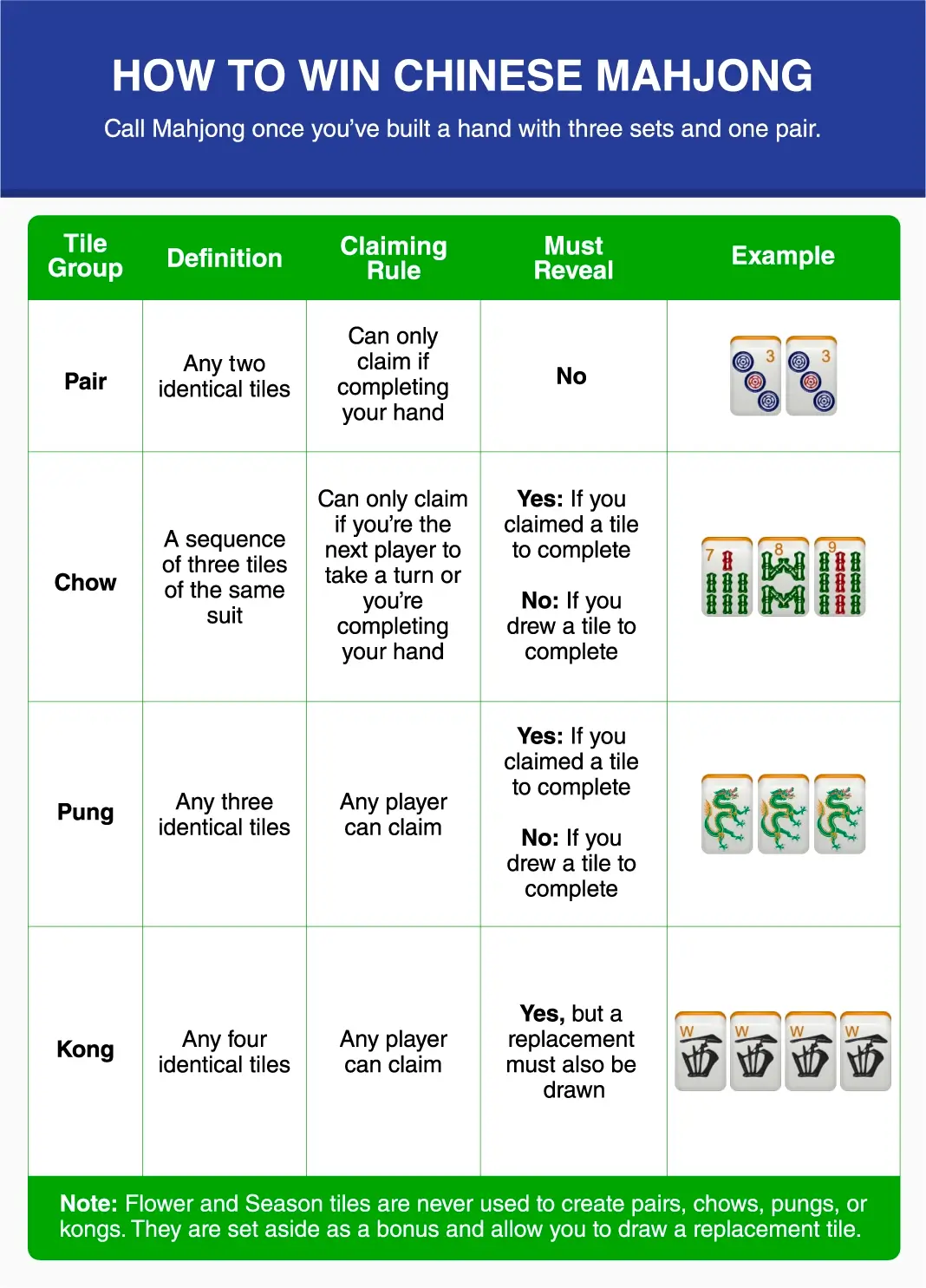
A winning hand uses a specific structure and must follow these rules:
- A winning hand consists of four sets and one pair. Sets consist of three tiles with the exception of the kong, which is a special type of set.
- Chows: A sequence of three tiles in the same suit (1 Bam, 2 Bam, 3 Bam), you can continue drawing to complete a chow, or you can claim a tile to complete it, which requires you to then reveal the set.
- Pungs: Made up of three identical tiles (8 Dot, 8 Dot, 8 Dot), you can draw or claim a tile to complete a pung, but if you claim a tile, you must reveal it.
- Kongs: Although this consists of four identical tiles (5 Crak, 5 Crak, 5 Crak, 5 Crak), it is treated as a special set of three. You must always reveal a kong regardless of whether you drew or claimed a tile to complete it, and you must draw an extra tile to ensure you can complete the other required sets.
- When a player completes a valid 14-tile combination, they declare Mahjong, reveal their hand, and win the round. The final tile, whether drawn from the wall or claimed from another player’s discard, is known as the winning tile.
- If the wall runs out, the round ends in a draw. If no player completes a winning hand before all tiles in the live wall are exhausted, the round ends with no winner.
Key Differences from American Mah Jongg
Keep these differences between American Mah Jongg and Chinese Mahjong in mind because they impact how you play the game
- No NMJL card or fixed combinations: You are not working toward a predefined hand. Instead, you build your own winning hand using valid sets (chows, pungs, and a pair), which makes gameplay more flexible.
- Sequences (chows) are allowed: Unlike American Mah Jongg, you can form runs of three consecutive tiles in the same suit, which are often the easiest sets to build early in the game.
- No Charleston (no tile passing phase): After the deal, players don’t use a structured tile exchange. All strategy comes from drawing tiles and reacting to discards.
- No Joker tiles: All sets must be completed using actual tiles, which increases the importance of timing, observation, and tile availability.
- Greater reliance on pattern recognition and flexible rulesets: Because there is no fixed card detailing winning hands, players must constantly evaluate their hand and adapt based on what they draw and what other players discard.
Chinese Mahjong also differs from variants like Riichi Mahjong and Mahjong Competition Rules, which introduce more formal scoring systems, additional rules, and structured point values.
Scoring Chinese Mahjong
While not all Chinese Mahjong games use the same scoring system, many follow Hong Kong (Cantonese) scoring rules where doubles (fan) are often converted into fixed payout tiers rather than calculated directly. As the number of doubles increases, the payout rises quickly, which is why higher-fan hands are significantly more valuable. For a different Hong Kong variation that follows Chinese rules but with simpler scoring, you can check out our Hong Kong Old Style guide.
A double (fan) is a scoring unit that increases the value of your winning hand. Each qualifying feature in your hand adds one or more doubles, and most games require at least 1 fan to declare Mahjong.
The basic scoring rules for Chinese Mahjong (Hong Kong) are as follows:
- A winning hand must meet the minimum fan requirement. Not all completed hands qualify automatically. To win, your hand must include at least one scoring element. A basic hand with no scoring features cannot win, even if it has four sets and a pair.
- Common ways to earn fan (doubles): Players earn doubles by building hands with specific characteristics. Some of the most common include:
- Pung or kong of dragons (Red, Green, or White) earns 1 fan
- Seat wind or prevailing wind pung/kong earns 1 fan
- All chows (no pungs or kongs) earns 1 fan
- All pungs typically earns higher value depending on the rules
- One suit (with honors) earns additional fan
- Pure one suit (no honors) earns higher fan
- How you win can affect your score. The way you complete your hand may increase its value:
- Self-drawn win: often earns an additional fan
- Winning on a discard: may score differently depending on house rules
- Winning with the last tile: may add bonus value
- Bonus tiles add extra value. Flower and season tiles provide additional points or bonuses depending on the rules being used. These are typically counted separately from your main hand.
- Payouts depend on total fan. Once a player declares Mahjong, the total number of doubles (fan) is calculated. The higher the fan, the greater the payout. In most games, all losing players pay the winner, with higher payments for higher-value hands.
Strategies for Playing Chinese Mahjong
You can’t control which tiles you draw, but strong strategy helps you make the most of every tile and improve your chances of completing a winning hand.
- Early in the game, prioritize tiles that can form multiple sets. For example, a 3 Dot can work in a chow with a 1 and 2 Dot, 2 and 4 Dot, or 4 and 5 Dot. If you have all of these tiles, you’re better off discarding the 1 Dot because it isn’t as flexible as the 3 Dot. Avoid committing too early to a single set unless your hand clearly supports it.
- Use chows (sequences) to build quickly. Sequences are often easier to complete than sets of identical tiles because more tile combinations can complete them. Focusing on chows early can help you form sets faster and keep your hand moving.
- Be careful when you expose melds. Exposing a pung or kong can speed up your progress, but it also reveals information about your hand. After other players see what you’re building, they may avoid discarding the tiles you need. When possible, keep your hand concealed until you are closer to completing it.
- Watch every player’s discard carefully. Tracking discards helps you understand which tiles are still available and which are likely gone. If you see multiple copies of a tile already discarded, it becomes harder to complete a set with that tile. Discards also signal what other players are not building, which offers clues to what they may be building.
- Avoid risky discards late in the game. As the wall gets shorter, assume other players are close to winning. Discarding tiles that haven’t appeared yet increases the risk of giving someone their winning tile. When possible, discard tiles that have already been thrown by other players.
- Know when to pivot your hand. If you’re not making progress, don’t force a difficult combination. Shift your strategy based on what you’re drawing and what’s still available. A flexible approach is often the difference between completing a hand and getting stuck.
Start Playing Mahjong Online Today
Chinese Mahjong is one of the most widely played tile games in the world, blending strategy, memory, and adaptability. You can play Mahjong online to develop a stronger instinct for reading the table, anticipating moves, and completing winning hands with confidence.