Hong Kong Old Style Guide: Rules, Scoring, and Strategies
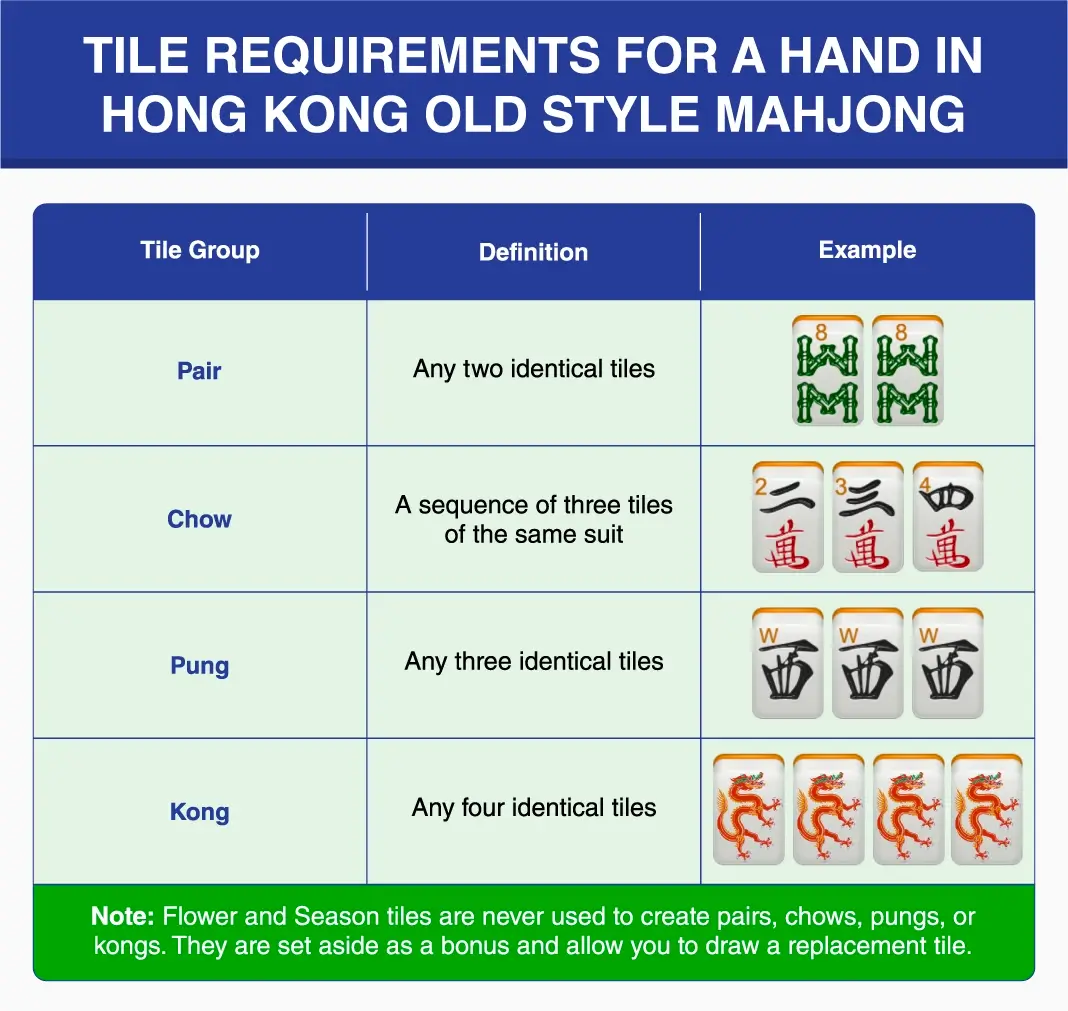
Hong Kong Old Style (HKOS) Mahjong is a traditional Mahjong variant played with four players and 144 tiles. You take turns drawing and discarding tiles with the goal of building a winning hand that meets the minimum fan (scoring) requirement and consists of four sets and one pair.
Rather than relying on a predetermined set of winning hands like American Mah Jongg, your winning hand can include any combination of chows (sequences), pungs (three identical tiles), and kongs (four identical tiles) plus one pair of identical tiles. However, some special hands, like Nine Gates and Thirteen Orphans, are exceptions to the standard hand, and because they are difficult to build, they have a higher value.
Hong Kong Old Style rules are commonly divided into two branches:
- New Chapter: This branch builds on the traditional rules but expands the scoring system with additional fan patterns and higher-value combinations. This results in a game with more complex hands and scoring.
- Clear Chapter: This branch emphasizes traditional hand-building and a relatively streamlined scoring system. Players score fan through common patterns such as Dragon pungs, flushes, and special hands, making it more fast paced and easier to learn for beginners. Mahjong 4 Friends uses the Clear Chapter ruleset, which follows traditional fan patterns and uses a winner-only payout system where opponents pay the winning player based on the hand's fan value.
This guide details how to set up Hong Kong Old Style Mahjong, gameplay rules, scoring, and strategies to get you started. After you understand how the game works and how to score, you’ll be better equipped to build stronger hands and make winning decisions when you play Mahjong online.
Hong Kong Old Style Mahjong Objective
The goal of HKOS Mahjong is to complete a 14-tile winning hand that meets the minimum fan (scoring unit) requirement and is made up of four sets (chows, pungs, or kongs) and one pair or one of the special winning hands.
Mahjong Equipment
Hong Kong Old Style Mahjong is played with a standard Mahjong tile set, consisting of 144 tiles, which are divided into three main groups: Suit tiles, Honor tiles, and Bonus tiles. Understanding how each group functions is important to this version of Mahjong because not all tiles can be used in the same way when building winning hands and earning fan, the scoring units used to determine a winning hand's value.
You can use a rack if your tiles are smaller, but traditional tiles are thicker than American Mah Jongg tiles, so they can stand on their own.
Suited Tiles
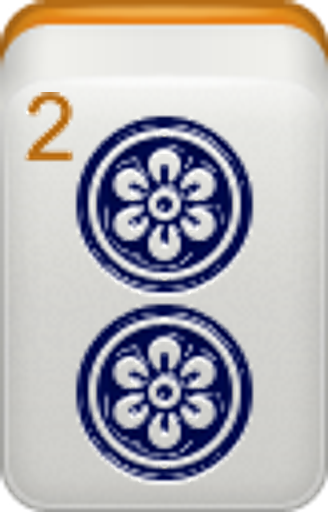
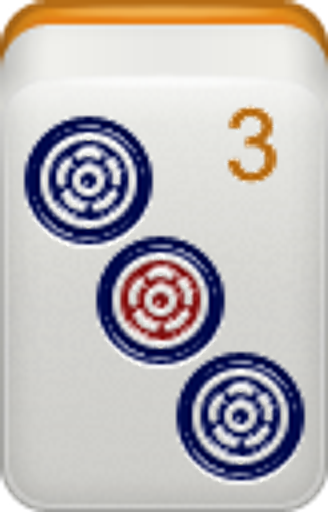
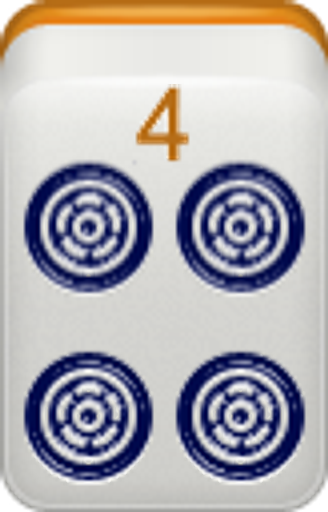
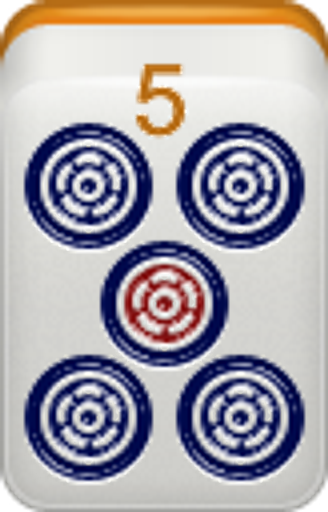
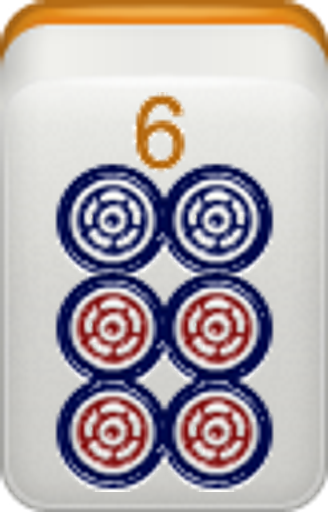
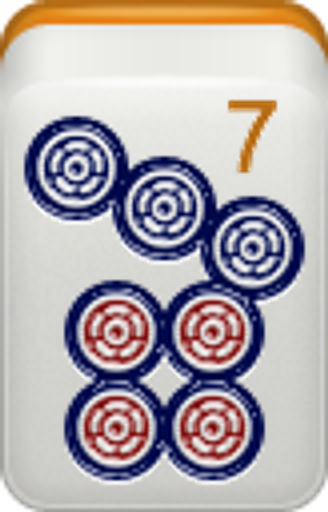
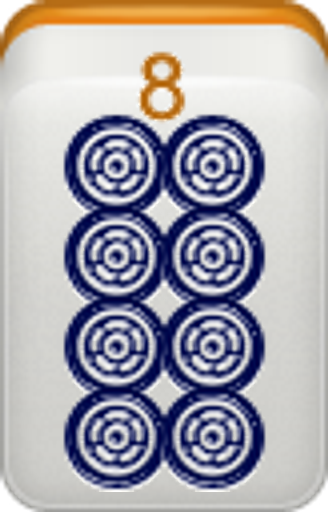
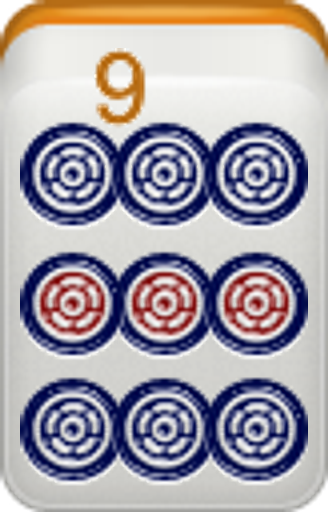
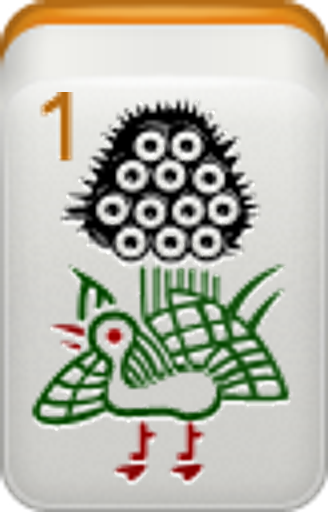
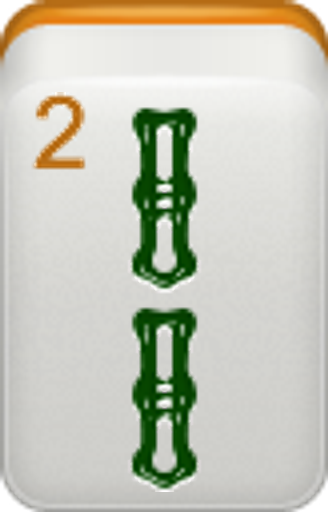
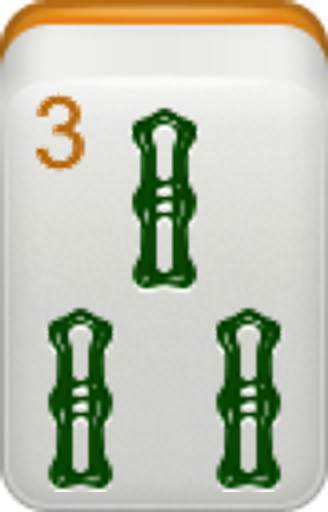
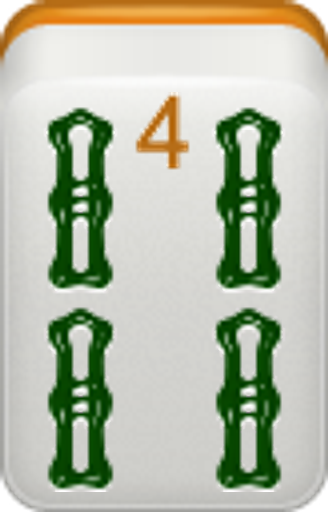
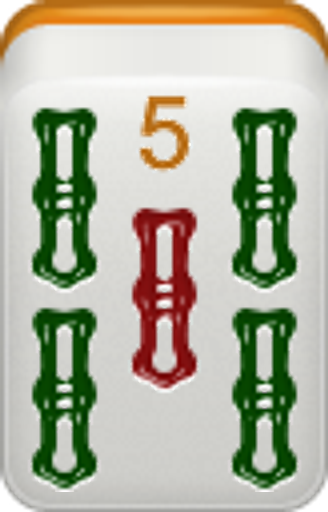
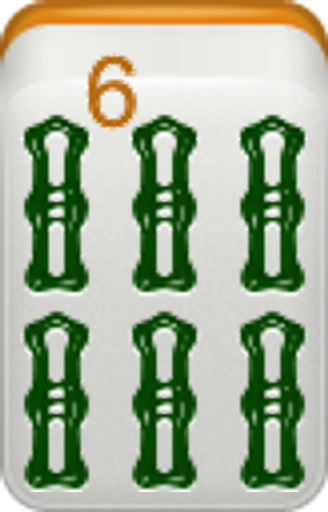
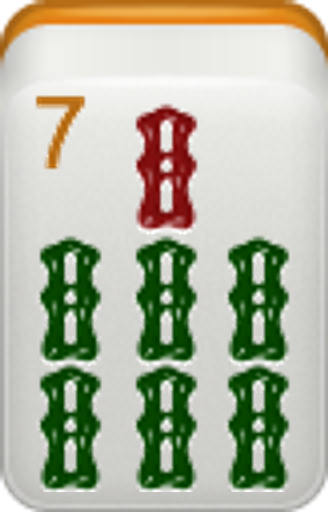
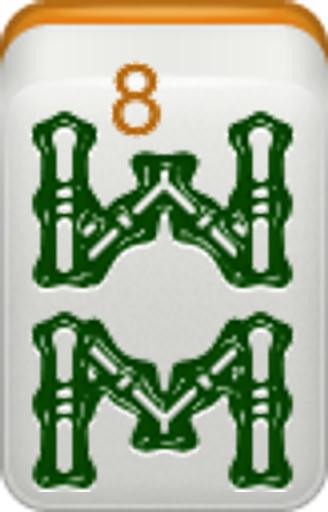
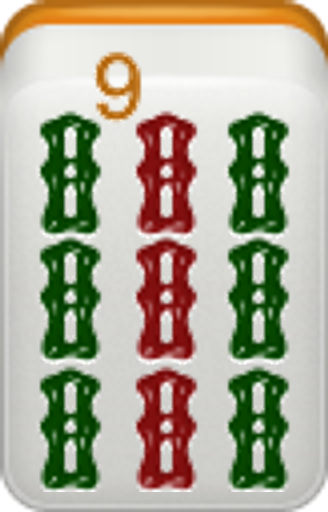
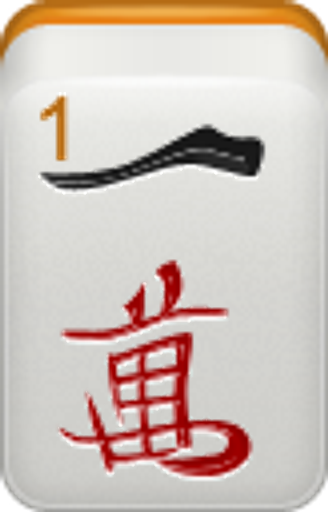
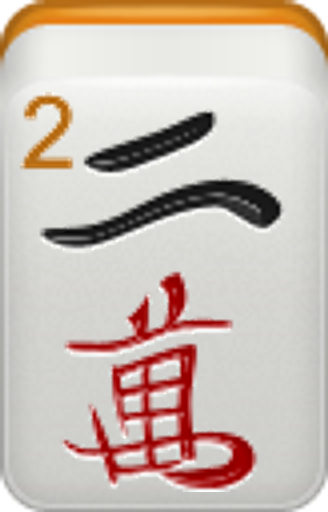
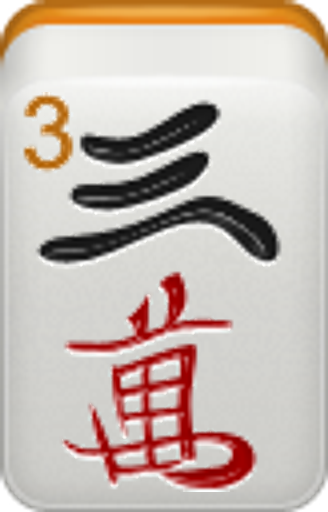
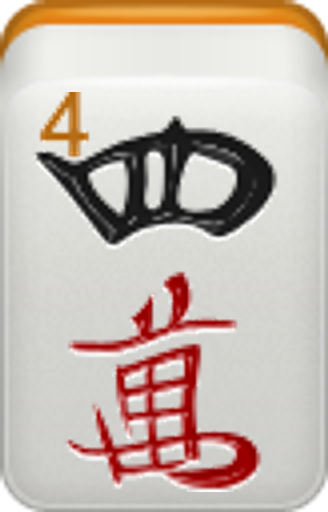
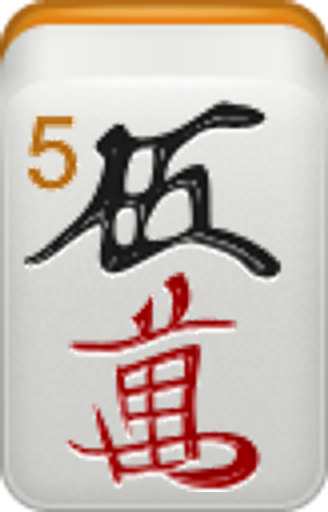
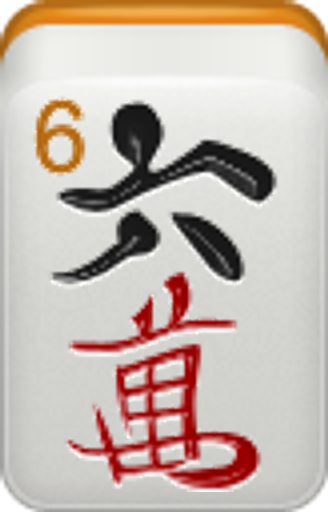
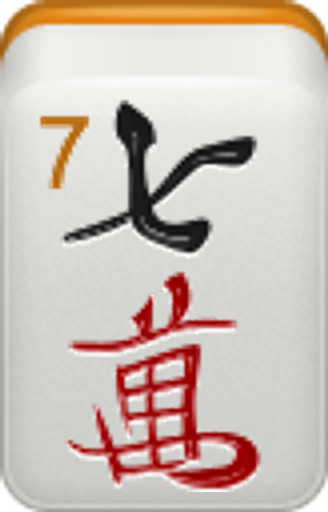
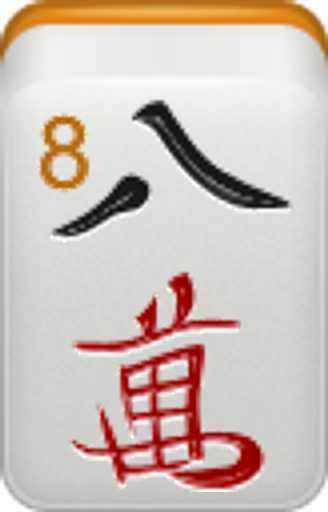
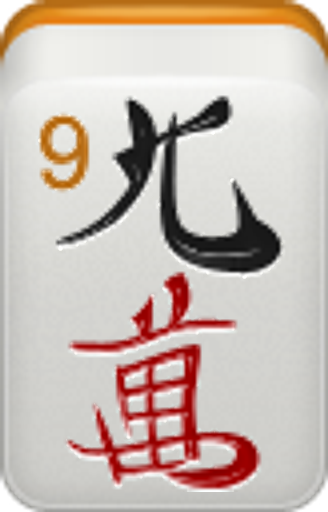
Suited tiles are numbered 1 through 9 and are divided into three suits: Dots, Bamboos, and Characters. These tiles can be used to form chows, pungs, kongs, and pairs.
|
Suited Tiles
Tiles are numbered 1 through 9, and each suit contains four identical tiles (36 tiles per suit
for 108 total). Use them to form pairs, chows, pungs, and kongs.
|
||
|---|---|---|
| Suit | Chinese Name | Tiles (1–9) |
| Dots | Tong |

|
| Bamboos | Suo |
|
| Characters | Wan |
|
Honor Tiles
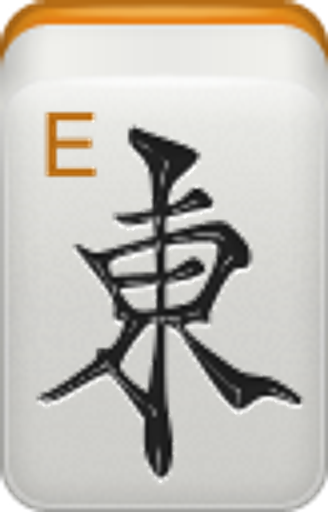
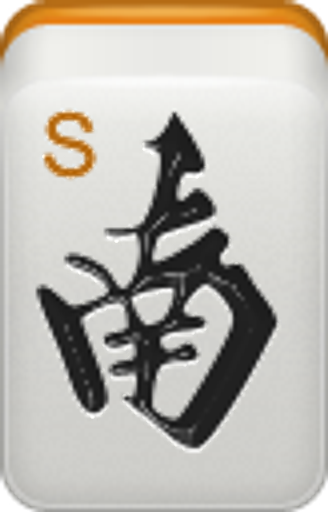
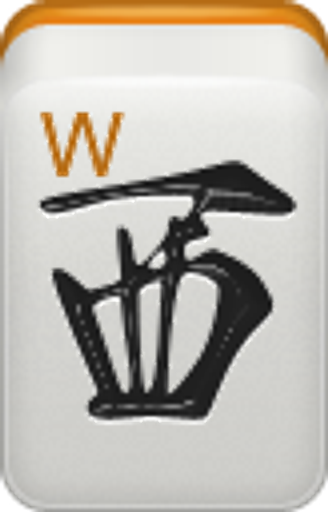
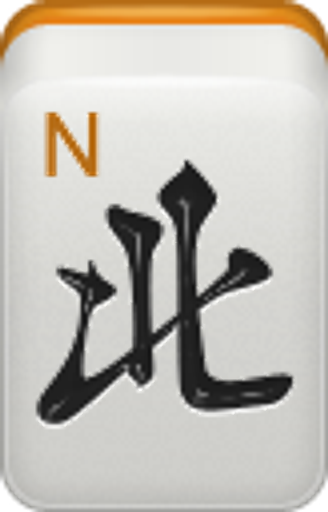
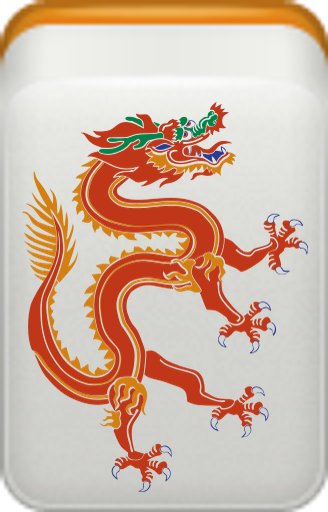
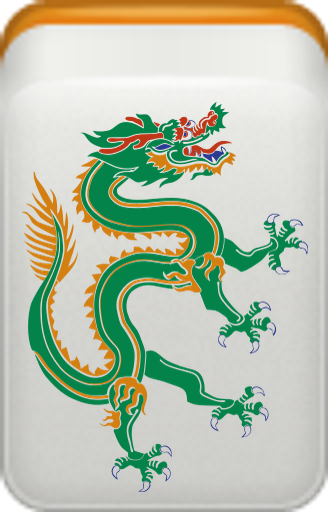
Honor tiles consist of the four Winds (East, South, West, and North) and three Dragons (Red, Green, and White). Although they can't form chows, they can be used in pairs, pungs, and kongs and often contribute fan.
|
Honor Tiles
These tiles are not numbered and are divided into two categories—four of each Wind tile (16 total) and four of each Dragon tile (12 total). Use them to form pairs, pungs, and kongs, but not chows.
|
|||||||||||||||||||||||||||||
|---|---|---|---|---|---|---|---|---|---|---|---|---|---|---|---|---|---|---|---|---|---|---|---|---|---|---|---|---|---|
|
|
||||||||||||||||||||||||||||

Bonus Tiles
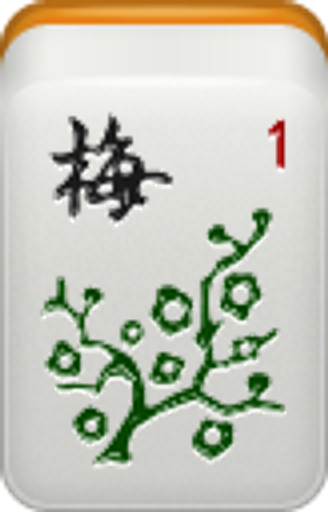
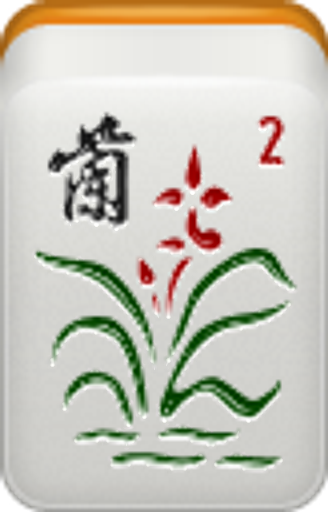
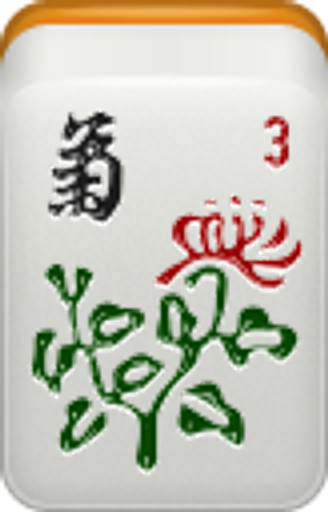
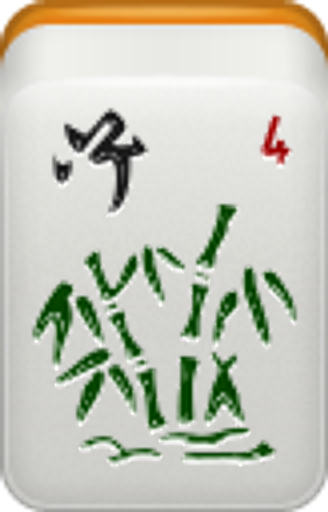
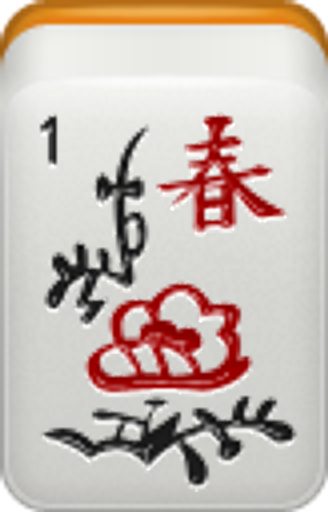
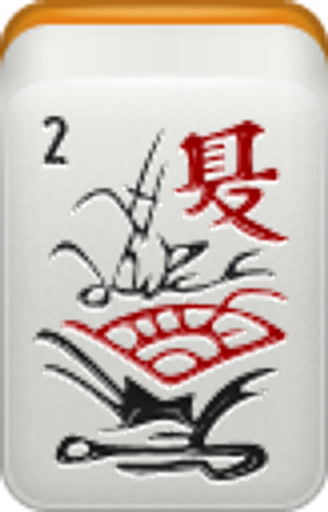
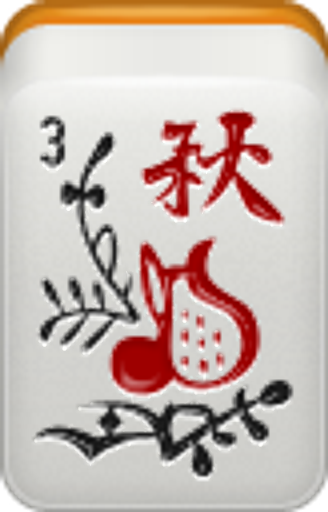
The eight bonus tiles consist of four Flowers and four Seasons. When drawn, bonus tiles are revealed and set aside, and the player draws a replacement tile from the dead wall, a section of tiles reserved during setup used only for replacement draws.
|
Bonus Tiles
Four Flower tiles and four Season tiles make up the eight bonus tiles. They aren’t used to form sets but are set aside as a bonus, allowing you to draw a replacement tile.
|
|||||||||||||||||||||||||
|---|---|---|---|---|---|---|---|---|---|---|---|---|---|---|---|---|---|---|---|---|---|---|---|---|---|
|
|
||||||||||||||||||||||||
Setting Up the Mah Jongg Tiles
Before a round begins, players prepare the table by determining the dealer, building and breaking the wall, and dealing the tiles. The setup process establishes each player's seat wind, creates the live wall used for drawing tiles, and sets aside the dead wall used for replacement draws.
To set up a game of Hong Kong Old Style Mahjong, follow these steps:
- Wash (shuffle) the tiles. Place all 144 tiles face down in the center of the table and mix them thoroughly. Players traditionally shuffle the tiles by moving them around the table in a circular motion, which is often referred to as "washing the tiles."
- Determine the dealer. All players roll the dice. The player with the highest total becomes the dealer, known by their seat wind, East. East takes the first turn of the round and is responsible for breaking the wall.
- Assign seat winds. After East is determined, the remaining players are assigned the South, West, and North seat winds moving counterclockwise around the table. Mahjong seat winds do not correspond to compass directions. Instead, seat winds correspond to seasons, and turn order follows the seat winds, which is like the changing of the seasons: East (spring), South (summer), West (autumn), and North (winter).
- In addition to seat winds, each round is played under a prevailing wind (East, South, West, or North), which can affect scoring later in the game.
- The prevailing wind starts as East. After the dealer position cycles back to the original dealer, the next wind round begins, and the prevailing wind changes in the order East, South, West, North.
- Build the wall. Each player builds a wall of tiles 2 tiles high and 18 stacks long. The four walls are pushed together to form a square in the center of the table.
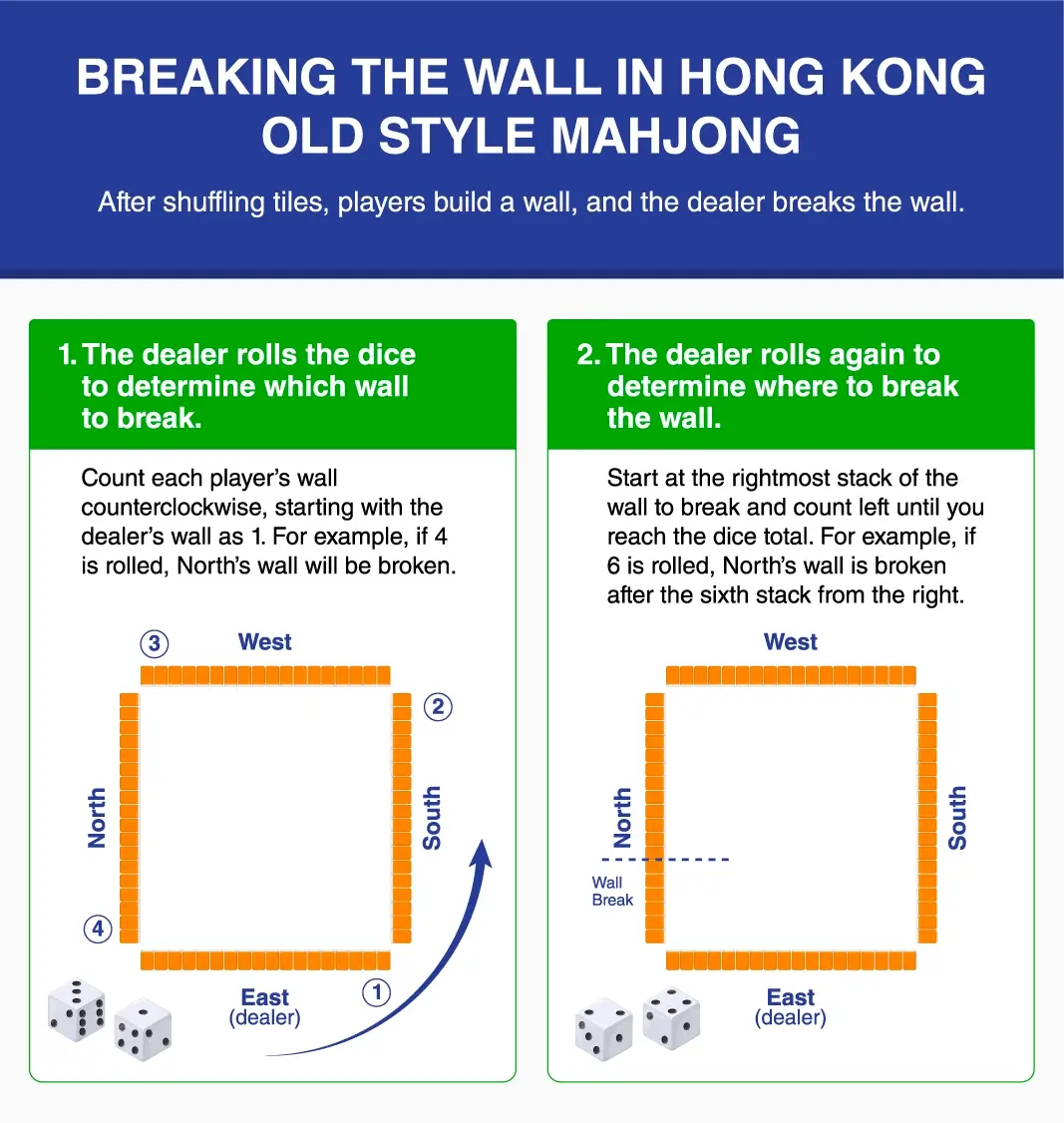
- Break the wall.
- Roll the dice total to identify which player's wall will be broken. The dealer rolls the dice and, starting with East as 1, counts counterclockwise around the table until they reach the number shown on the dice.
- Roll again to determine the break point. Starting from the right side of the selected wall, the dealer counts inward according to the dice total and separates the wall at that point.
- Deal the tiles. Starting from the opening in the wall, players take tiles in stacks of two. The dealer takes tiles first, followed by the remaining players in counterclockwise order. After all players have 12 tiles, the dealer takes two additional tiles for a starting hand of 14 tiles, while the other players each take one additional tile for a starting hand of 13 tiles. Because the dealer begins with an extra tile, East makes the first discard when play begins.
- Set aside the dead wall. After the tiles are dealt, reserve a small section of tiles near the break as the dead wall. The remaining tiles become the live wall. During gameplay, replacement tiles are drawn from the dead wall whenever a player reveals a Flower or Season tile or completes a kong.
Hong Kong Old Style Mahjong Rules
After the tiles are dealt, the game follows a familiar pattern like other Mahjong variations, with players taking turns drawing, discarding, and claiming tiles in an effort to complete a winning hand. However, while most winning hands require four sets and one pair, Hong Kong Old Style Mahjong is slightly different from other variations in that a completed hand must also meet the minimum fan requirement before a player can declare Mahjong. Our section on scoring details fan requirements, and the following sections help keep you on track with the rules of the game.
Starting Play and Taking a Turn
After the deal, the dealer (East) begins the round by discarding a tile. Because East starts with 14 tiles while all other players begin with 13, the dealer must discard first to begin play.
- Turn order: After the dealer's discard, turns continue counterclockwise around the table, following seat wind order (East, South, West, North).
- On each turn, a player:
- Draws a tile from the live wall
- Adds the tile to their hand
- Discards one tile face up into the center of the table
- Discarded tiles remain available for other players to claim according to the claiming rules in the section below.
- If a Flower or Season tile is drawn, set it face up in front of your tiles. Because they’re bonus tiles, you must reveal them and draw from the dead wall to bring your rack back to 13.
Claiming Tiles and Creating Melds
Players don't have to rely solely on tiles drawn from the wall. Discarded tiles may be claimed to complete a set or winning hand, according to these rules.
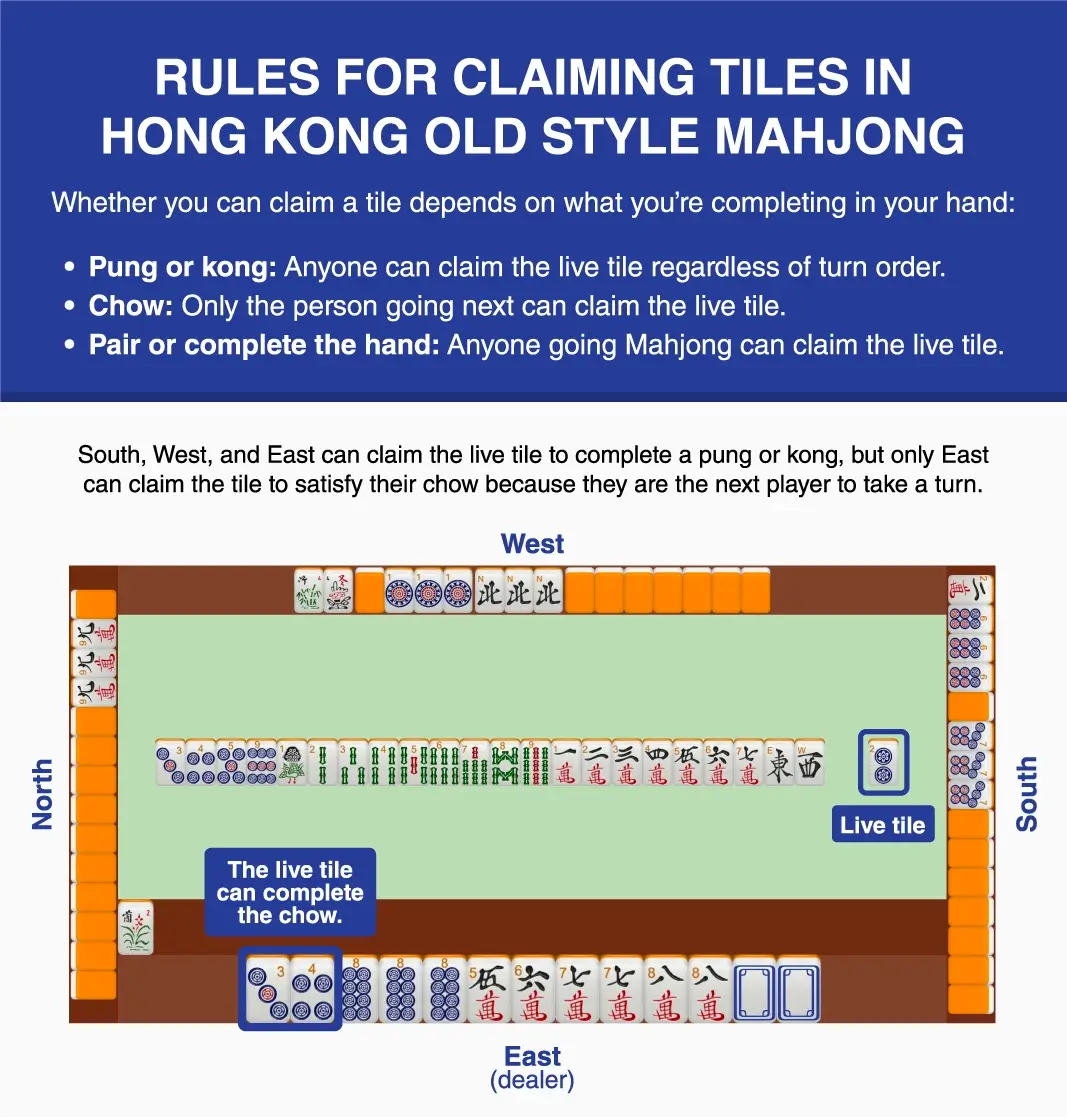
- Any player, regardless of seat position may claim a tile for a pung or kong. If a player needs one tile to complete a pung (three identical tiles, such as 6 Bamboo 6 Bamboo, and 6 Bamboo) or kong (four identical tiles, such as 2 Dot, 2 Dot, 2 Dot, 2 Dot), that player may call the discarded tile no matter whether they are taking the next turn. So if North discards a 5 Bamboo that South could use to complete a pung of 5 Bamboos, then South may claim that tile even though it isn’t their turn to draw. If two players want the same tile, priority rules apply, which are explained below.
- Only the next player may claim a tile for a chow. A chow is a sequence of three consecutive tiles in the same suit, and only the player whose turn would be next may claim a discarded tile to complete one. So if North needed a 3 Dot to complete a chow consisting of a 2 Dot, 3 Dot, 4 Dot, they could only call the discarded tile from West.
- Any player may claim a tile to complete Mahjong. If a discarded tile completes a winning hand that meets the minimum fan requirement, that player may claim the tile and immediately declare Mahjong regardless of turn order.
- To claim a tile, a player must:
- Announce the set they are completing.
- Reveal the completed set face up on the table.
- Discard a tile.
- Play continues counterclockwise from the claiming player, even if other players get skipped.
- After a set is revealed, it becomes a meld and cannot be returned to the player's concealed hand. That exposed set must be part of the player’s winning hand.
- When multiple players may want the same discarded tile, claims are resolved using the following priority:
- A player completing Mahjong
- A player completing a pung or kong
- The next player completing a chow
- If two players have the same claim type, priority is awarded to the player closest in turn order after the player who discarded the tile. For example, if East needs a 9 Character that North discarded to complete a kong but West needs it to declare Mahjong, West takes priority. However, if both East and West need the tile for a pung, East gets priority because they are closest in turn order.
Handling Tile Replacements and Kongs
While Flower and Season tiles must have a replacement drawn from the dead wall, kongs also require special handling during play.
- Melded kongs must be exposed. Whenever a kong (four identical tiles) is completed by claiming a tile, the set must be exposed and the player immediately draws a replacement tile from the dead wall to maintain the correct number of tiles in their hand. Concealed kongs are declared and set aside according to the rules being used, and they also require a replacement tile from the dead wall.
- A player who has already exposed a pung may upgrade it to a kong if they later draw the fourth matching tile from the wall. However, players cannot claim a discarded tile solely to upgrade an exposed pung into a kong.
Winning the Game
Winning means fulfilling two requirements: completing a winning hand and meeting the minimum fan (scoring unit). But not all hands are created equal.
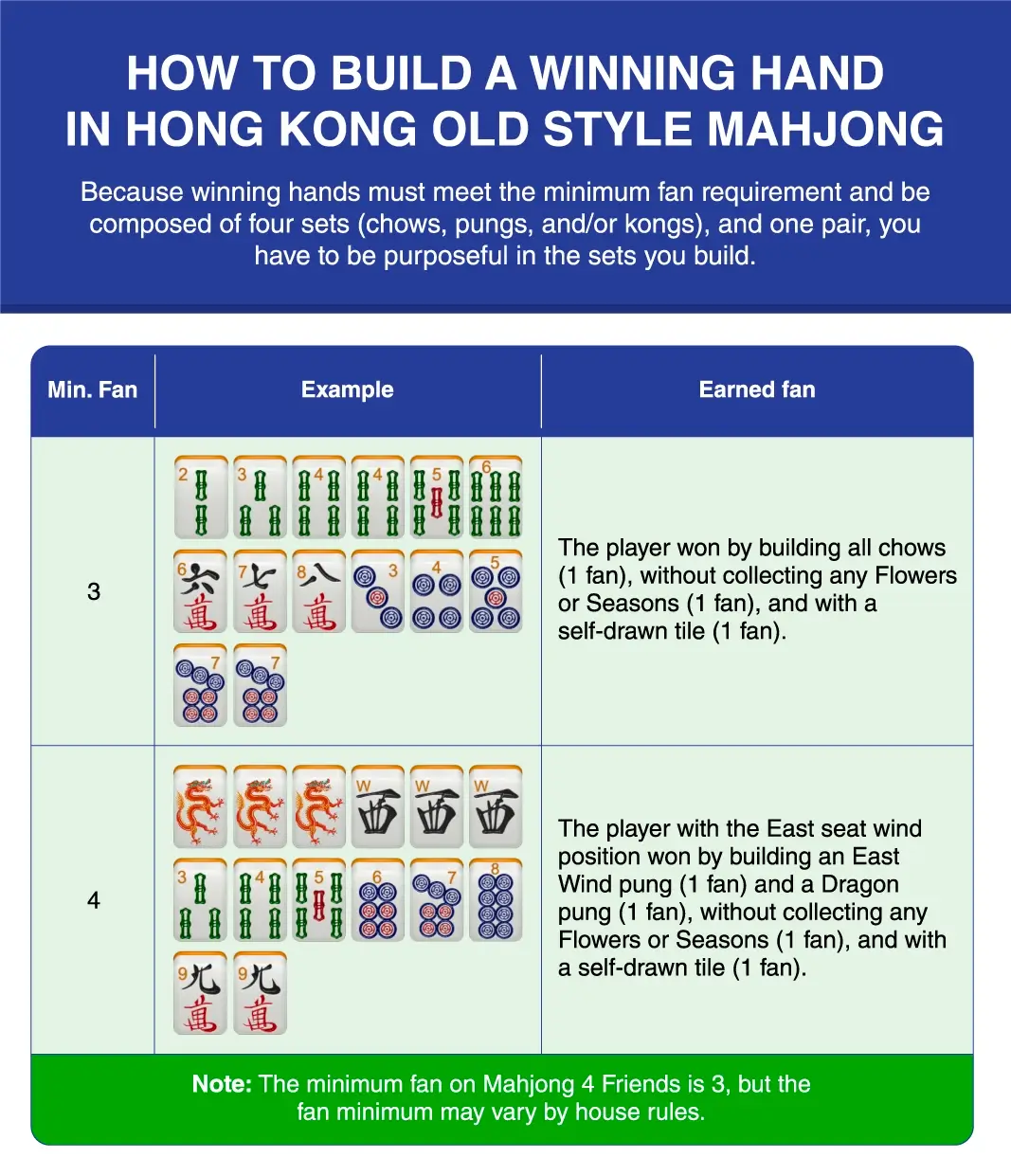
- Most winning hands consist of four sets and one pair. Sets can be made up of the following combinations, and you can draw or claim tiles for these groups:
- Chows (three consecutive tiles in the same suit): Only has to be revealed if you claim the last tile of the set
- Pungs (three identical tiles): Only has to be revealed if you claim the last tile of the set
- Kongs (four identical tiles): Must always be revealed when completed and requires you to draw another tile to bring your hand back to 13
- Some groups allow chicken hands. Although Mahjong 4 Friends doesn’t allow you to declare Mahjong with a chicken hand, a hand that doesn’t meet the minimum fan, some groups do. So be sure to check the house rules to see whether chicken hands are allowed.
- Special winning hands follow a different structure. Special hands use unique tile combinations that don't follow the standard hand pattern, and because they’re typically more difficult to build, they are worth more fan. For example, Thirteen Orphans requires you to have all terminals (1 and 9 for each suit) and one each of the Winds and Dragons. This gives you 13 tiles, and you complete a winning hand by adding just one copy of any of those tiles. Many Hong Kong Old Style rulesets use the different types of special hands in the table below, but always confirm which special hands are allowed when playing with a group as some vary or use house rules.
- When a player completes a valid hand, they must also meet the minimum fan requirement before declaring Mahjong. On Mahjong 4 Friends, the minimum requirement is 3 fan. Fan are scoring units earned through specific tile combinations, sets, and winning conditions. While some hands earn fan naturally, others may need additional scoring patterns before they qualify as a winning hand. Fan is explained further in the scoring section below.
- When a player completes a valid hand and meets the minimum fan requirement, they declare Mahjong, reveal their hand, and win the round. The final tile used to complete the hand is known as the winning tile and may be drawn from the wall or claimed from another player's discard.
- If all tiles in the live wall are exhausted before a player declares Mahjong, the round ends in a draw with no winner.
| Special Hand | Description | Fan |
|---|---|---|
| All Honors | Complete a hand using only honor tiles (winds and dragons). | 10 |
| Blessing of Earth | As a non-East player, win on East's first discard before any calls have been made. | 10 |
| Blessing of Heaven | As East, win on your first draw before any discards or calls occur. | 10 |
| Small Winds | Form three wind pungs/kongs and a pair of the fourth wind. | 10 |
| Thirteen Orphans | Collect one of each terminal tile (1s and 9s), each wind, and each dragon, plus a duplicate of any one of those tiles as the pair. | 13 |
| Big Winds | Form pungs or kongs of all four winds (East, South, West, and North). | 15 |
| Nine Gates | Create a concealed one-suit hand containing 1112345678999 and win while waiting on any tile of that suit. | 15 |
| Eighteen Arhats | Complete a hand with four kongs and a pair. | 18 |
Hong Kong Old Style Mahjong Scoring
Hong Kong Old Style uses a fan-based scoring system where players earn fan by completing specific patterns in their hands rather than assigning fixed points to entire, specific hands. Scoring follows three simple steps.
1. Add Up the Fan
On Mahjong 4 Friends, a hand must earn at least 3 fan before you can declare Mahjong. Although some hands, especially hard-to-build special hands, may be worth more than 3 fan, you may need to build more than one scoring pattern in a single hand to earn 3 fan.
Common ways to earn a fan are found in the following table.
| Scoring Pattern | Description | Fan |
|---|---|---|
| Self-Drawn Win | Win by drawing the winning tile yourself from the live wall. | 1 |
| No Flowers or Seasons | Complete a winning hand without collecting any Flower or Season bonus tiles. | 1 |
| Dragon Pung | Form a pung or kong of any Dragon tile (Red, Green, or White). | 1 |
| Seat Wind | Form a pung or kong of the wind matching your seat position. | 1 |
| Round Wind | Form a pung or kong of the prevailing wind for the current round. | 1 |
| All Chows | Complete a hand using four chows (sequences) and a pair, with no pungs or kongs. | 1 |
| All Pungs | Complete a hand using four pungs and/or kongs plus a pair. | 3 |
| Half Flush | Use tiles from a single suit together with Honor tiles (winds and/or dragons). | 3 |
| Little Dragons | Form two dragon pungs/kongs and a pair of the third Dragon. | 5 |
| Pure Flush | Complete a hand using only one suit and no Honor tiles. | 7 |
| Big Dragons | Form pungs or kongs of all three Dragon tiles. | 8 |
Not all patterns receive the same amount of fan. Some patterns are more valuable than others. In addition, each round is assigned a prevailing wind, which is used for scoring certain wind-based combinations. A set of Wind tiles may earn fan if it matches either the prevailing wind for the round or the player's seat wind. Because of this, a hand's value may depend not only on the tiles it contains but also on the current round and the player's seat order.
2. Convert Fan to Points
Different platforms have different conversion factors, but on Mahjong 4 Friends, fan are converted using this table, where the fan limit, the maximum scoring cap, is 8.
| Fan | Points |
|---|---|
| 1 | 2 |
| 2 | 4 |
| 3 | 8 |
| 4 | 16 |
| 5 | 24 |
| 6 | 32 |
| 7 | 48 |
| 8 | 64 |
3. Calculate the Payout
After fan are converted to points, payouts are determined by how the winning tile was obtained:
- Discard win: The player who discarded the winning tile pays double the hand’s point value as converted in step 2, and the other two players pay the hand's actual value. So if a hand had 5 fan, the hand point value is 24. The player who discarded the tile would pay 48 to the winner and receive a score of -48 points, and the other two players would each pay 24, earning -24 points each. The winner would receive 96 points.
- Self-draw: If the winner draws their own winning tile, each losing player pays double the hand’s point value. So if the winning hand were 4 fan, that would convert into 16 points, meaning each player would pay the winner 32 for a winning total of 96. Each losing player would receive -32 points each.
With each round, scores accumulate, so if you find yourself in the negative, you can win your way out of the hole. On Mahjong 4 Friends, you’ll see the cumulative scores on screen after each hand if you play multiple rounds.
Strategies for Playing HKOS Mahjong
Drawing the right tiles always involves some luck, but good strategy can help you make the most of what you draw so you can build a winning hand and maximize your fan.
- Build for fan early. In most Mahjong versions, you’re trying to complete just four sets and a pair, but in Hong Kong Old Style Mahjong, the fan is part of the winning requirement. Because simply completing your hand is not enough, look for opportunities to build fan naturally by evaluating your starting tiles and carefully considering discards and draws. Dragon pungs, seat wind sets, all pungs, or flush hands are simpler ways to achieve fan, and turning your focus onto a hand that can easily meet the fan requirement can be stronger than just trying to build your hand quickly only to find out it doesn’t reach the fan minimum.
- Note your seat wind and round wind. Wind tiles are more than just Honor tiles. Depending on the round and your seat position, specific wind sets can contribute to fan. If you already hold pairs or multiple copies of your seat wind or the prevailing wind, they may be worth keeping longer than an ordinary honor tile.
- Track available tiles. Before committing to a scoring pattern, consider how many of the required tiles are still live. If several copies of a Dragon tile or key Honor tile have already been discarded, pursuing that pattern may no longer be realistic. Be prepared to adjust your plans based on the tiles you see leaving the game.
- Consider the value of self-drawn tiles. If you need just one tile to win, weigh whether it’s more valuable to wait to draw the tile yourself. If more than one copy is available, and it’s early to mid-game, it might be worth the wait to skip claiming one and try to draw it yourself and force double payment out of the losing players. But if only one copy is remaining or it’s near the end of the game, you’re better off not risking it.
- Recognize when to pivot. You can lose value by forcing a hand that is no longer realistic. If the tiles needed for a flush, all pungs hand, or another scoring pattern stop appearing, shift to a more achievable goal. Flexibility is often more valuable than commitment, especially from mid-game to the end.
Build Strong Hands That Earn More Fan
If you like strategic hand-building with a built-in scoring system that rewards efficient play and high-value combinations, then you should try Hong Kong Old Style Mahjong. While most winning hands follow the familiar structure of four sets and a pair, understanding how fan, Winds, Bonus tiles, and special hands affect scoring can help you make better decisions throughout the game.
Whether you're aiming for a quick 3-fan win or chasing a high-scoring limit hand, mastering the fundamentals of Hong Kong Old Style Mahjong will improve your ability to recognize opportunities, adapt your strategy, and compete more effectively when you play Hong Kong Old Style Mahjong online.