American Mah Jongg for Beginners: Step-by-Step Guide
The worst part of learning a new game is having to sit through someone reading the rules, terms, and all the exceptions. You want to get straight to the game. But the most overwhelming part of playing American Mah Jongg for beginners is the overload of information before the game even begins. From setting up the four-player game and reading the NMJL card to passing tiles and grouping dozens of Mahjong tiles with unfamiliar names like Bams and Craks, you may feel like everyone else already knows a secret language.
While players may use a lot of confusing Mah Jongg terms, gameplay is pretty straightforward and revolves around just a few core concepts.
- Setting up the game
- Doing the Charleston
- Taking turns and calling tiles
- Declaring Mahjong
But don’t worry. You don’t have to know everything to get started. Whether you’re a complete beginner who just downloaded their first Mahjong app, only play Mah Jongg online, or already have a few games under your belt, we’ve streamlined what you need to know in this beginner’s guide.
What Mah Jongg Beginners Need to Know
If you understand these five ideas while learning how to play Mah Jongg, you’ll be able to follow the game with ease.
- Your goal is to build a winning 14-tile hand from the NMJL card.
- Most turns are simple: Draw one tile and discard one tile.
- The Charleston is just a tile exchange to improve your hand.
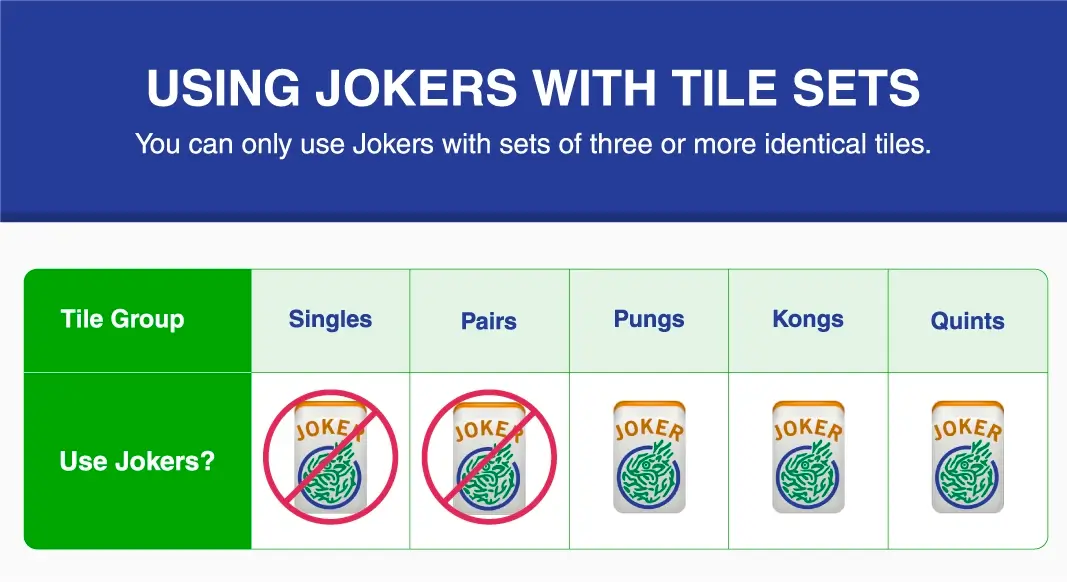
- Jokers can replace tiles in groups of three or more identical tiles, but not singles or pairs.
- You can call discarded tiles to complete sets of three or more tiles or declare Mah Jongg.
1. Know the Goal
The objective of American Mah Jongg is to be the first to complete a valid 14-tile winning hand, and winning hands must match exactly one hand on the NMJL card.
2. Set Up the Game
Learning how to play American Mah Jongg can feel overwhelming that first (or 10th!) time you sit down to play, but you don’t need to memorize every rule before you start enjoying the game. You only need a Mahjong tile set with 152 tiles, four racks (often equipped with pushers), and a National Mah Jongg League card (published annually) to get started.
The Mah Jongg setup is simple:
- Place all the tiles facedown on the table and shuffle them around.
- Each player builds a wall 19 tiles long and 2 tiles high in front of their racks.
- The dealer breaks the wall by rolling the dice, counting inward from the right of their wall based on the number they rolled, and separating the wall at that point.
- Players take 13 tiles, but the dealer takes 1 extra tile for 14.
3. Get Comfortable with the Tile Names and Groups
You can’t read the NMJL card properly to build winning hands unless you get comfortable with the Mahjong tiles themselves. Most beginner confusion stems from not yet recognizing Mah Jongg tile names, suits, and tile groups and how they connect to hands listed on the card. American Mah Jongg gameplay is built around three main tile categories, and each category has its own subgroups.
This chart offers a quick glance at all their differences that you need to know.
| Tile Group | Tiles Included | Examples | How the Tile Is Identified | How Players Say Them | Beginner Notes |
|---|---|---|---|---|---|
| Suit Tiles | Bams, Craks, Dots | 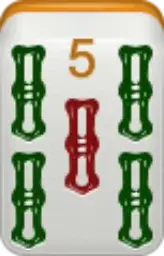 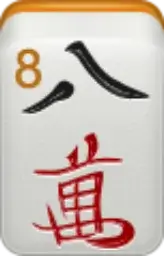 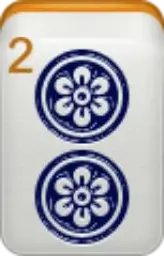 |
Number + suit image | “5 Bam,” “2 Dot” | Number and suit both matter |
| Winds | North, East, West, South | 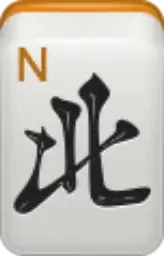 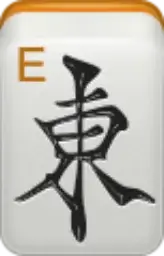 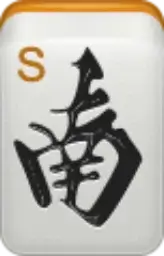 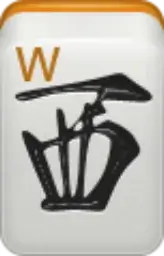 |
Letters or Wind names | “West Wind” or “West” | Not connected to numbered suits |
| Dragons | Red, Green, White | 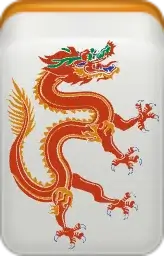 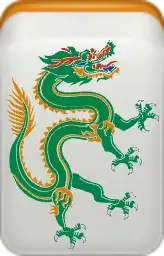  |
Dragon color | “Red Dragon” | Each Dragon matches a suit |
| Flowers | Flower/Season tiles | 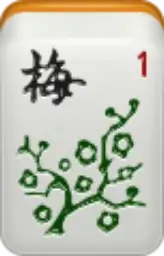 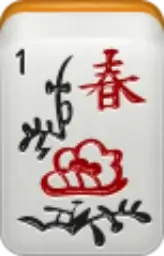 |
Different artwork | “Flower” | All interchangeable |
| Jokers | Joker tiles |  |
Joker image | “Joker” | Can replace tiles in pungs, kongs, and quints |
Suit Tiles
Each suit consists of tiles numbered 1 through 9. Suits include:
- Bams: The image resembles bamboo or sticks.
- Craks: The image typically uses Chinese character markings.
- Dots: The image often resembles dots or circles.
Beginners should remember two things about Suit tiles:
- Like playing cards, both the number and the suit matter. For example, a 3 Dot and a 3 Bam share the same number, but they are completely different tiles and are not interchangeable.
- The NMJL card typically doesn’t tell you which specific suit to use. Instead, the card uses colors to show whether tiles must come from the same suit or different suits, which you’ll understand better once you begin reading hands.
Honor Tiles
Honor tiles are divided into two groups.
- Winds:
- North Wind: Signified by an N on the NMJL card
- East Wind: Signified by an E on the NMJL card
- West Wind: Signified by a W on the NMJL card
- South Wind: Signified by an S on the NMJL card
- Dragons (all are signified by a D on the NMJL card):
- Red Dragon
- Green Dragon
- White Dragon
Beginners should remember three things about Honor tiles:
- Honor tiles don’t use numbers like Suit tiles.
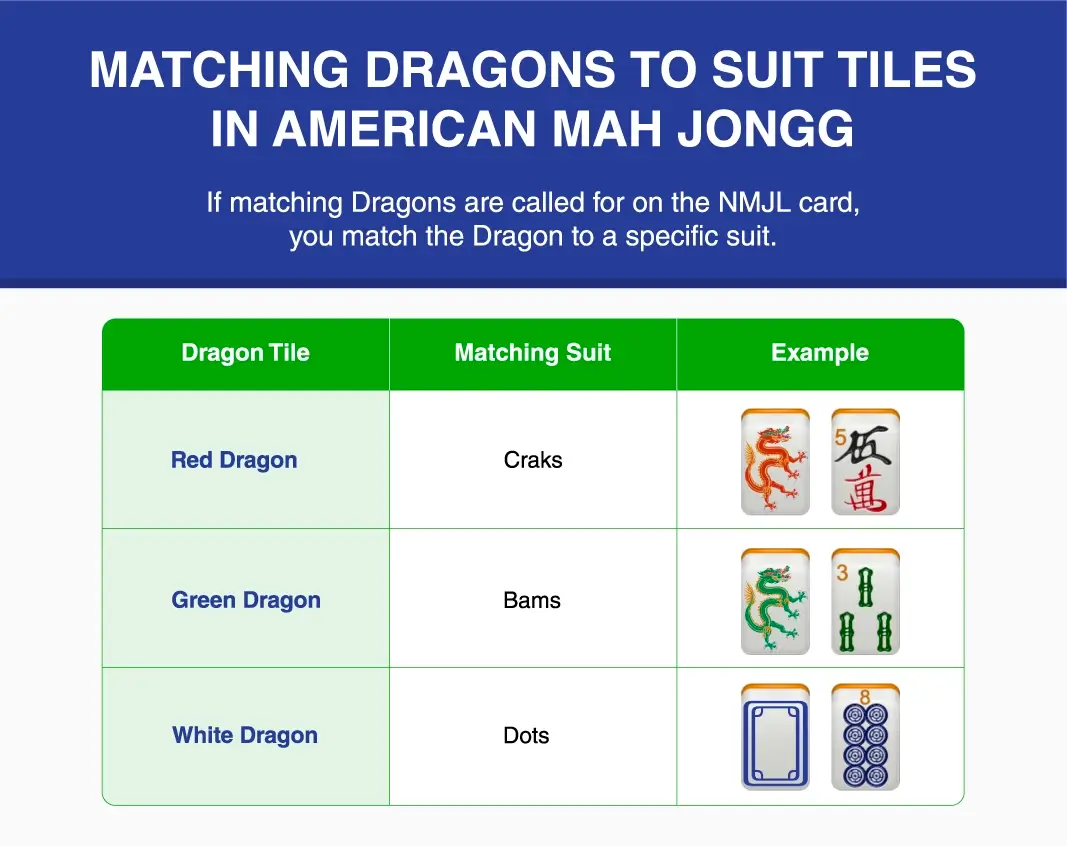
- Like Suit tiles, the colors used for Dragon tiles tell you how many different types of Dragons you need for that hand.
- Each Dragon color is matched to a specific suit. The Red Dragon pairs with Craks, the Green Dragon with Bams, and the White Dragon (Soap) with Dots.
Special Tiles
Special tiles include two groups, each with unique rules.
- Flowers: If a hand requires a Flower tile, any Flower from the Mahjong tile set can be used because they’re interchangeable.
- Jokers: These can substitute for any tile in a set of three or more identical tiles.
Beginners should know two things about Special tiles:
- Because some Mahjong tile sets contain both Flower and Season tiles, Season tiles are considered Flowers, making them all interchangeable regardless of the image or numeral on their tile face.
- You can’t pass Jokers during the Charleston tile exchange.
4. Understand How to Group Tiles Together
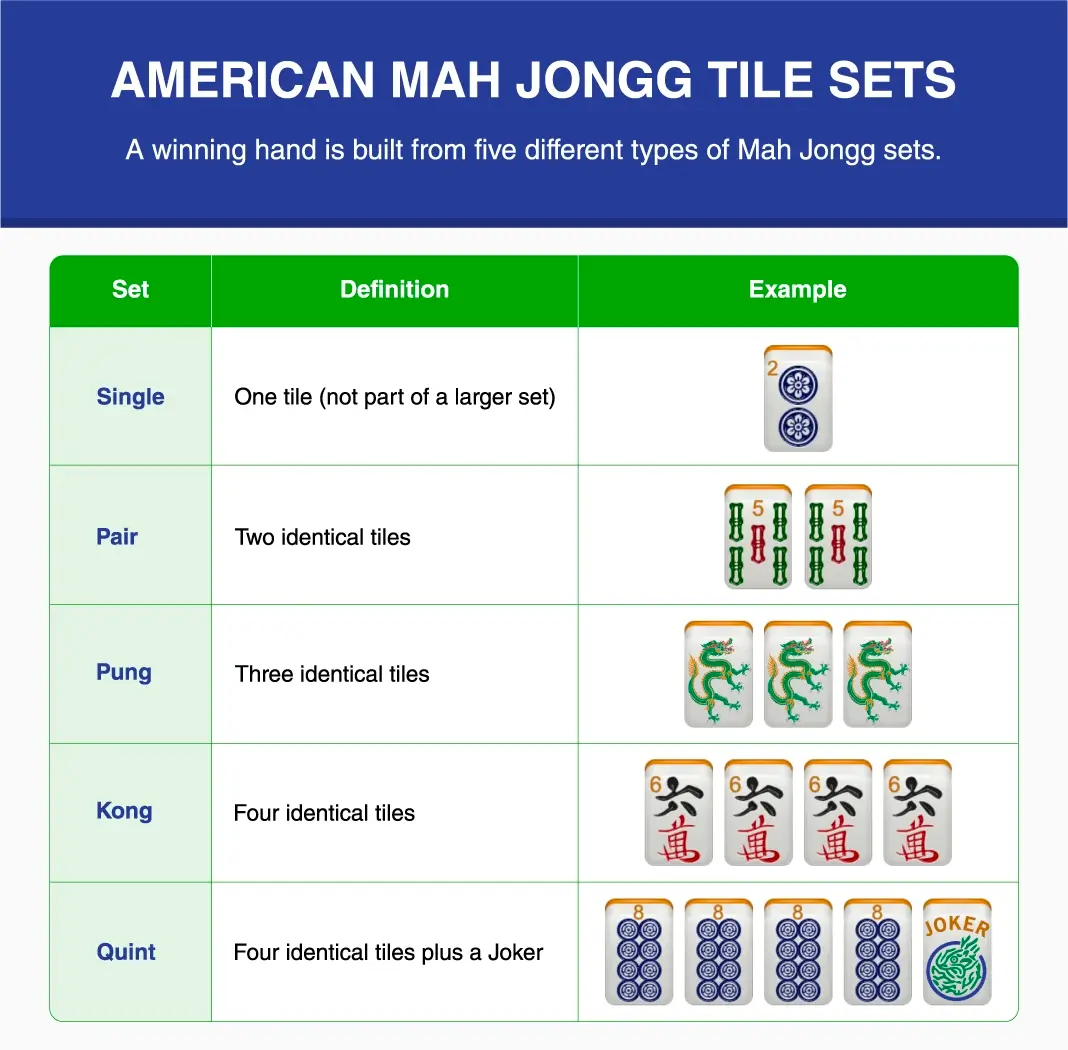
To create a winning hand, tiles must be grouped into specific sets that form the required patterns.
- Singles (one tile)
- Pairs (2 identical tiles)
- Pungs (3 identical tiles)
- Kongs (4 identical tiles)
- Quints (5 identical tiles that require at least 1 Joker because tile sets contain only 4 identical tiles)
How these sets are connected to specific hands is detailed specifically on the NMJL card.
5. Build the Best Hand from the NMJL Card
Every winning hand in the game must match exactly one of the 14-tile combinations shown on the National Mah Jongg League (NMJL) card, which is published yearly. Reading this card to build your hand is the biggest learning curve of American Mah Jongg.
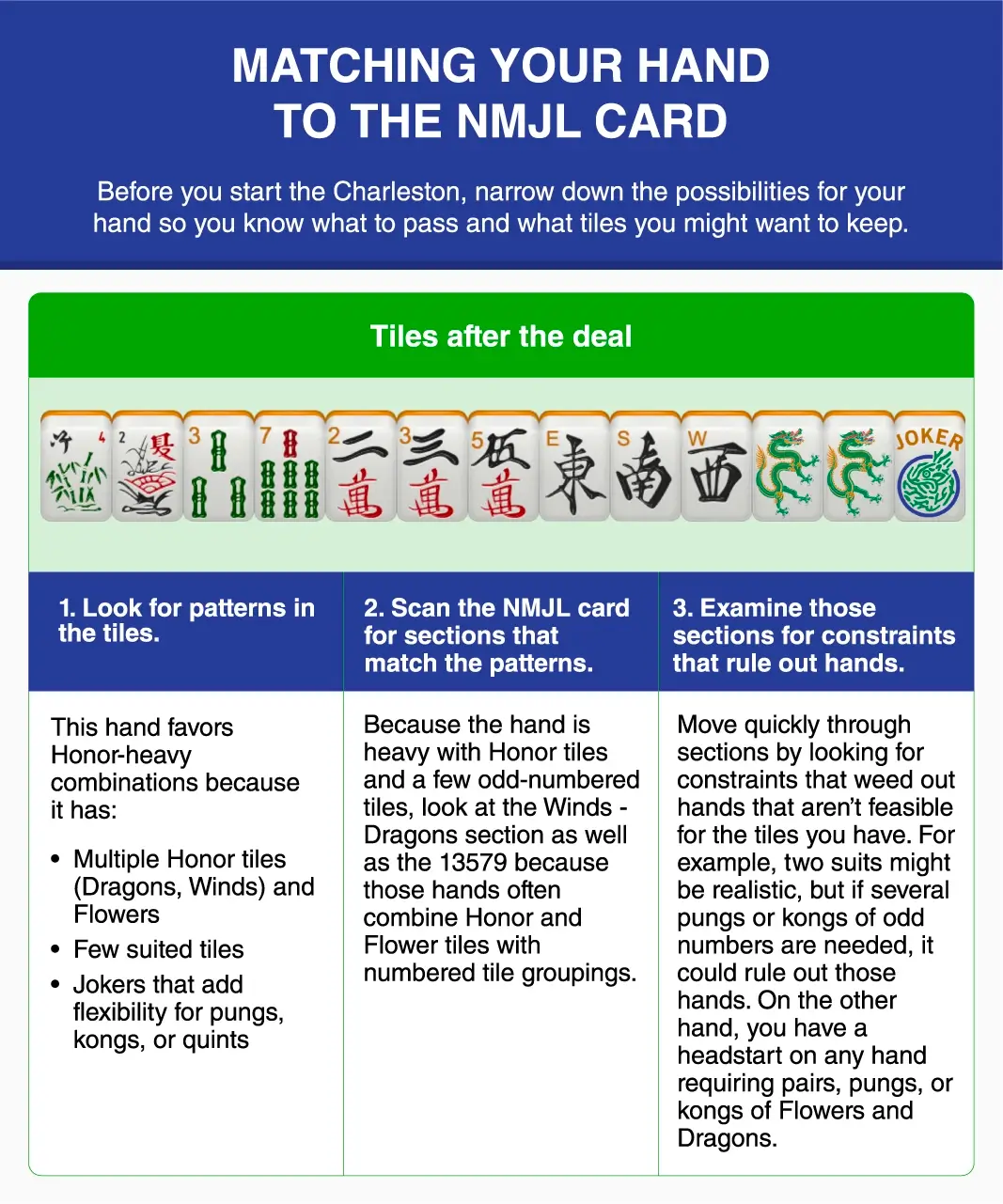
Although the endless lines of numbers, letters, colors, and symbols can look overwhelming, you can use these tips for reading the card and find even more in-depth information on Mah Jongg hands in our comprehensive guide.
- Scan the card for hand categories that match your tiles. Dominant patterns in your tiles can guide you to categories that predominately use that pattern.
- Narrow your options further using suit colors. The hands under each category use colors to show which groups of tiles must use the same suit and which groups must use different suits.
- One color (very dark blue): Use one suit
- Two colors (green and red): Use two different suits.
- Three colors (green, red, and very dark blue): Use three different suits.
- Check to see if Honor or Flower tiles are required. You’ll know if you need these tiles based on the letters used for the hand. The letters correspond to the tile name (for example, W is West Wind, D is Dragon, and F is Flower).
- Decide on two options. Based on the tiles you have already compared to the requirements on the card, determine two hands that are your best possible hands to build.
6. Use the Charleston to Improve Your Hand
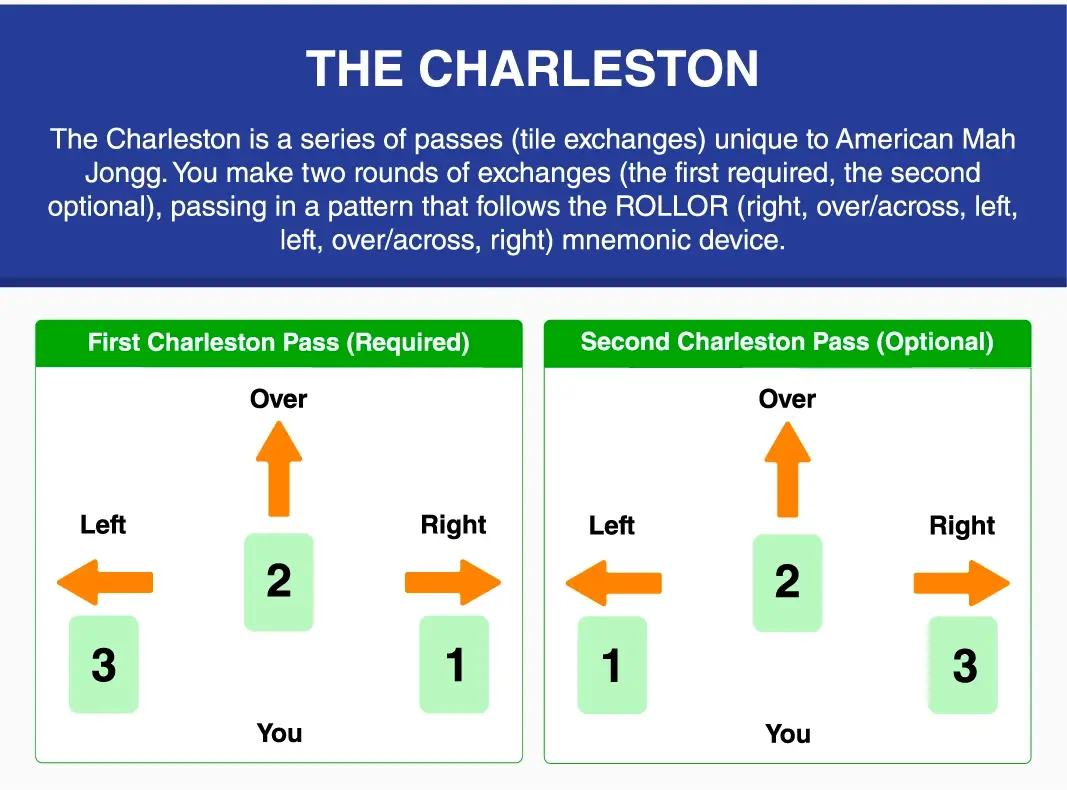
The Charleston is a series of tile exchanges that happens after the deal and before gameplay begins. During the Charleston, players pass three tiles at a time in a specific pattern to improve their starting hands. The six total passes are often remembered by the mnemonic device ROLLOR (right, over, left, left, over, right).
The first Charleston is required and follows this pattern:
- Pass right
- Pass across
- Pass left
If all players agree, a second Charleston can also occur:
- Pass left
- Pass across
- Pass right
After the Charleston is complete, even if only the first Charleston is played, the two players seated across from each other may agree to make a courtesy pass. During this optional exchange, each player passes up to three tiles to the other. Both players must pass the same number of tiles.
Tip: At first, the Charleston can feel chaotic because tiles move quickly and you may feel pressured to decide on a hand immediately. But the goal is not to build a perfect hand instantly. Instead, the Charleston helps you narrow your options and strengthen the hand categories that already match your rack.
To make the most of the Charleston:
- Pass isolated tiles that don’t connect to likely hand patterns.
- Pass tiles that don’t match the dominant suits, numbers, or Honor tiles in your rack.
- Stay flexible during the first couple of passes instead of locking into one exact hand immediately.
- Let incoming tiles help narrow which hand category is strongest.
7. Take Turns During Gameplay
After the Charleston ends, gameplay officially begins with the dealer making the first discard. Play then continues counterclockwise around the table.
On most turns, players:
- Draw one tile.
- Evaluate whether the tile helps their hand.
- Discard one tile face up while saying the tile name aloud.
Tip: Use each turn to gradually narrow your hand toward one exact winning combination from the NMJL card.
8. Call Tiles When Needed
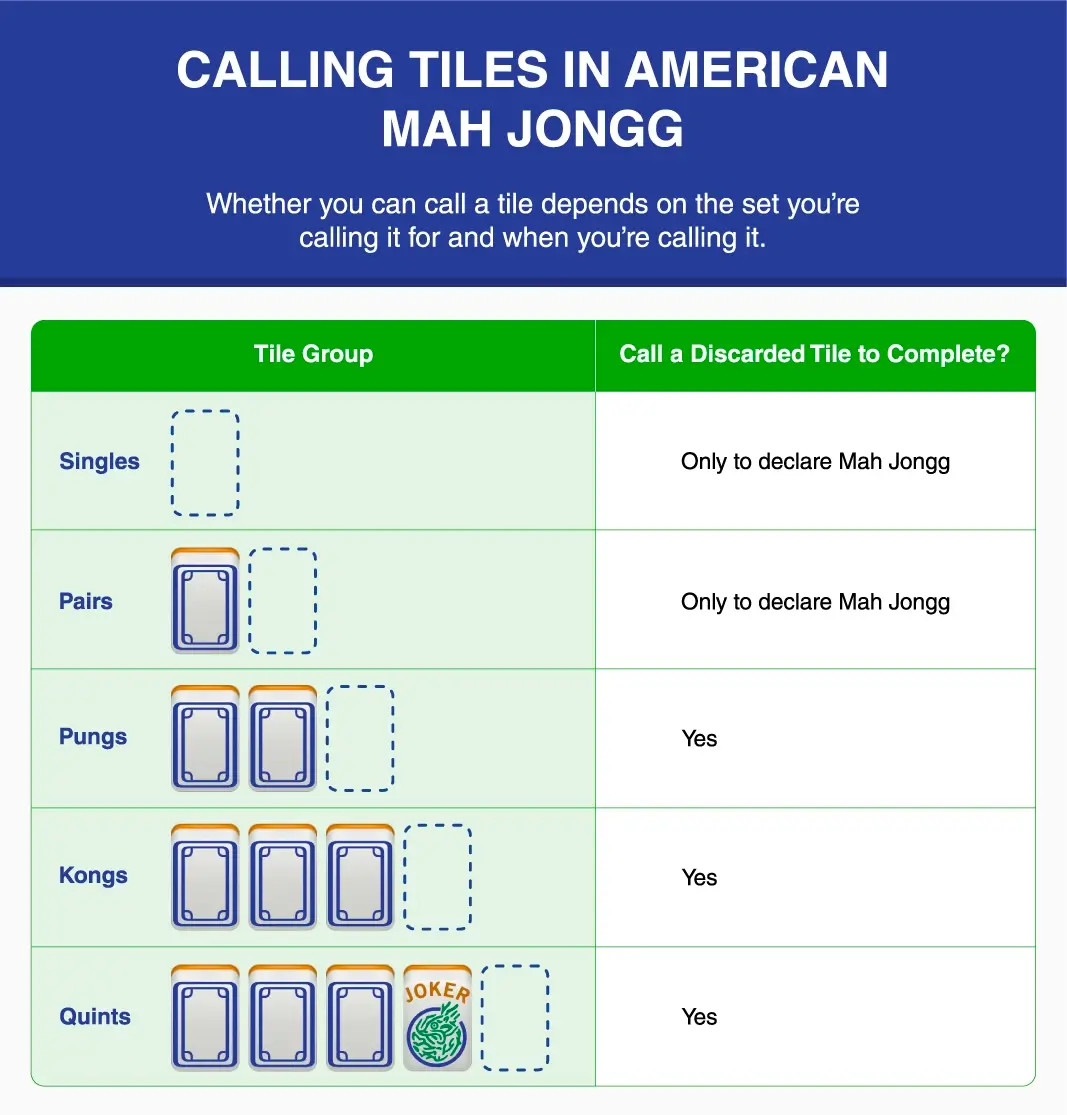
Even when it’s not your turn, you can call a discarded tile from another player, following these rules:
- You can call a tile to complete:
- A pung
- A kong
- A quint
- Your final winning hand
- You can’t call a discarded tile for singles or pairs unless it completes your final winning hand.
- When you call a tile, you take it instead of drawing from the wall. After you expose the completed set, you finish your turn by discarding one tile face up and saying its name aloud.
- If a player calls a tile, the play continues counterclockwise from that player who called, even if that means skipping someone’s turn.
9. Swap Jokers When Possible
When a set is exposed after a tile is called, it may have a Joker placed in it. If so, that Joker is still in play, and players can do a Joker swap.
For example, if three 5 Dots and a Joker are exposed in a kong, a player can swap their 5 Dot for the Joker on their turn, even if they’re the one who exposed the set. Use our detailed guide on Mah Jongg Jokers for more on rules and how to maximize Joker usage.
10. Declare Mahjong and Win
After you build a 14-tile winning hand that matches the card exactly, you can declare Mahjong and win! If the wall runs out before anyone declares Mahjong, the hand ends in a wall game, meaning there is no winner.
Avoid Common Beginner Mistakes
When you’re just learning how to play, mistakes are easily made, so use this list to avoid the most common mistakes many beginners make when setting out to play:
- Memorizing the NMJL card: The card shouldn’t be memorized or even read line by line. Focus on categories first and then narrow your hand from there.
- Locking down a hand too early: You never know what can happen during the Charleston. Keep your hand flexible throughout the Charleston so you can capitalize on the tiles passed to you.
- Passing strong tiles too quickly: For most beginners, your first hands won’t use a lot of Honor tiles (Winds and Dragons) or Flowers, but that doesn’t mean they aren’t valuable. Keeping these, if possible, through the Charleston can give you a chance to swap a Joker later in the game or force an opponent to abandon a hand.
- Calling tiles too early in the game: You definitely need to call tiles to build your hand, but if you expose two or more sets early in the game, you may just give away your strategy, which allows players to hang on to tiles they suspect you need.
- Assuming suit colors match specific suits: Suit colors offer flexibility. If two colors are used, use any two suits. The card doesn’t dictate which suits to use.
- Thinking you can use Jokers for singles or pairs: You may think you are just one tile away from declaring Mahjong only to discover that you can’t use that Joker for the pair you need. Remember that Jokers can only be used for sets of three or more identical tiles so that you don’t erroneously rely on one for the wrong set.
It may feel like a lot of information to digest, but even experienced American Mah Jongg players regularly reference the NMJL card, strategy notes, Mah Jongg cheat sheets, and more during gameplay. So take the time to pause often, double-check hands, and take extra time reading the card during the first several games.
Don’t worry if it feels complicated as you start. Like most games, you’ll get better and play smoother the more you play. And after you understand how the tiles, hand categories, and NMJL card connect together, the gameplay becomes much easier to follow. You can get plenty of practice with passing during the Charleston, honing your hand, and calling tiles during gameplay by playing Mah Jongg for free online.